TR
TR
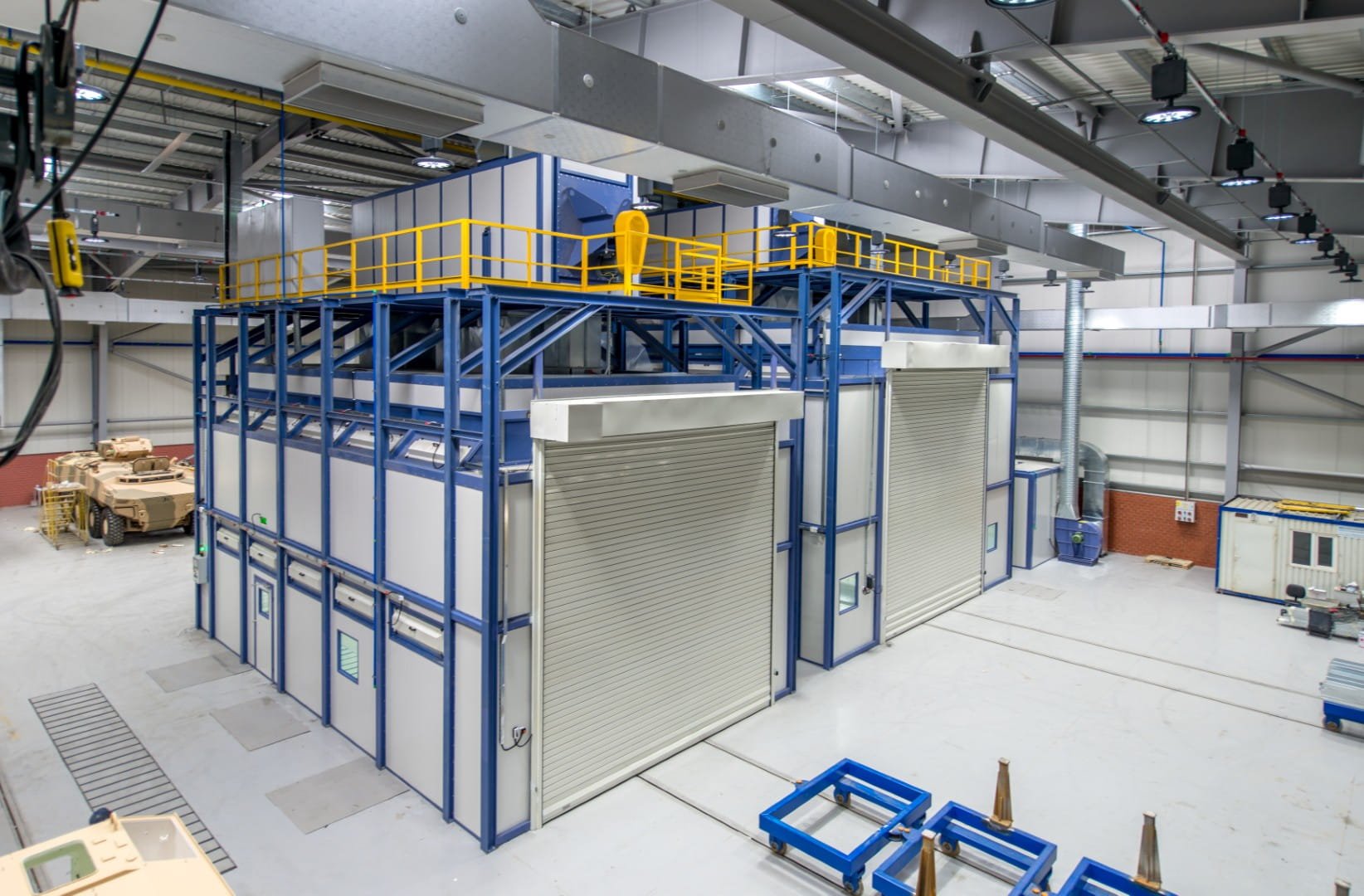
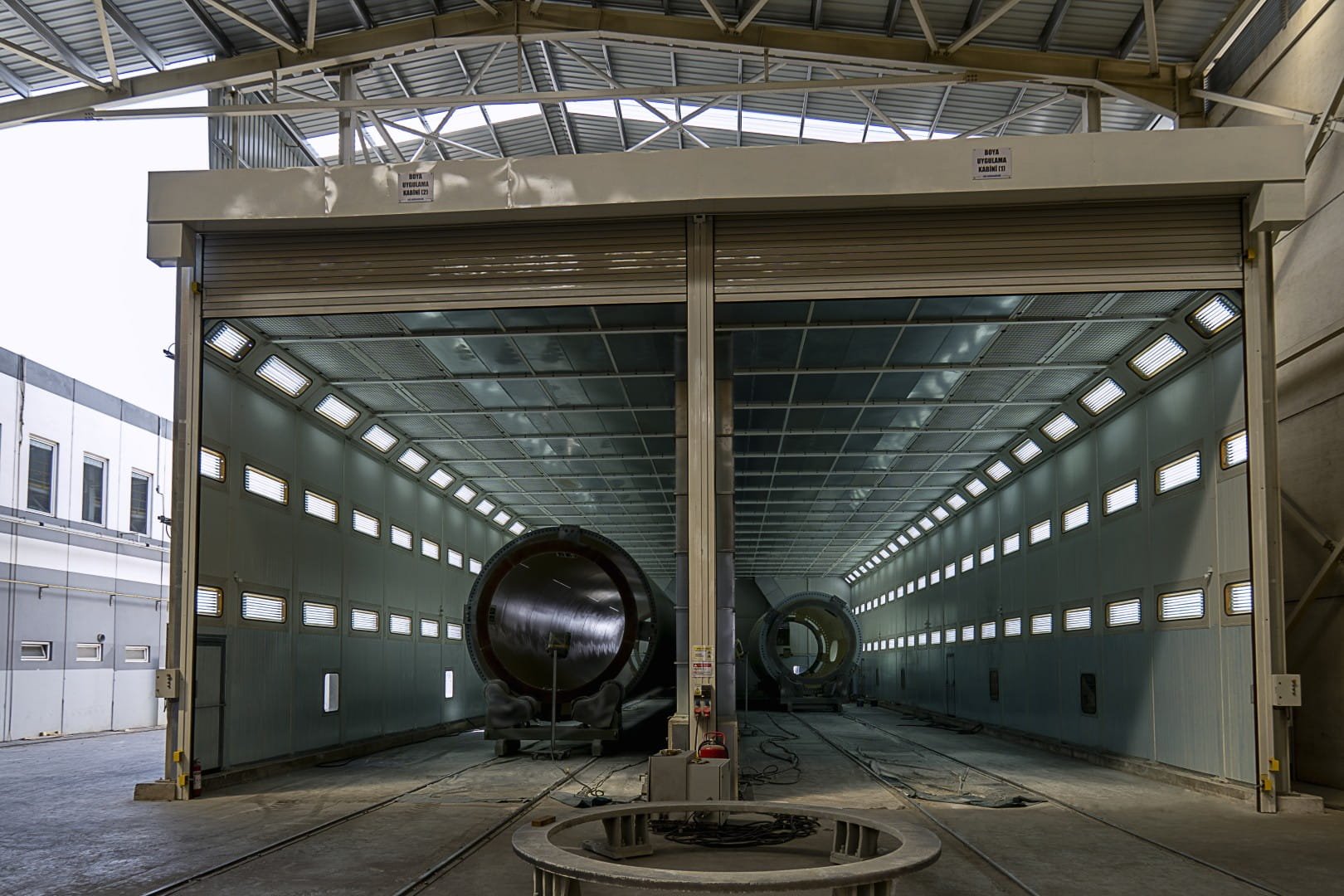
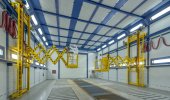
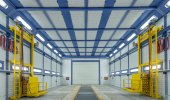
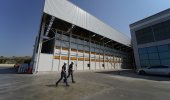
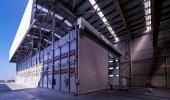
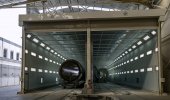
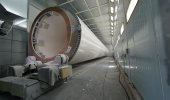
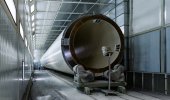
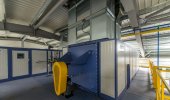
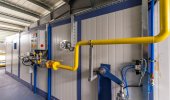
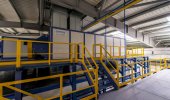
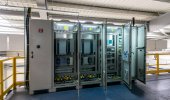
Paint Booths
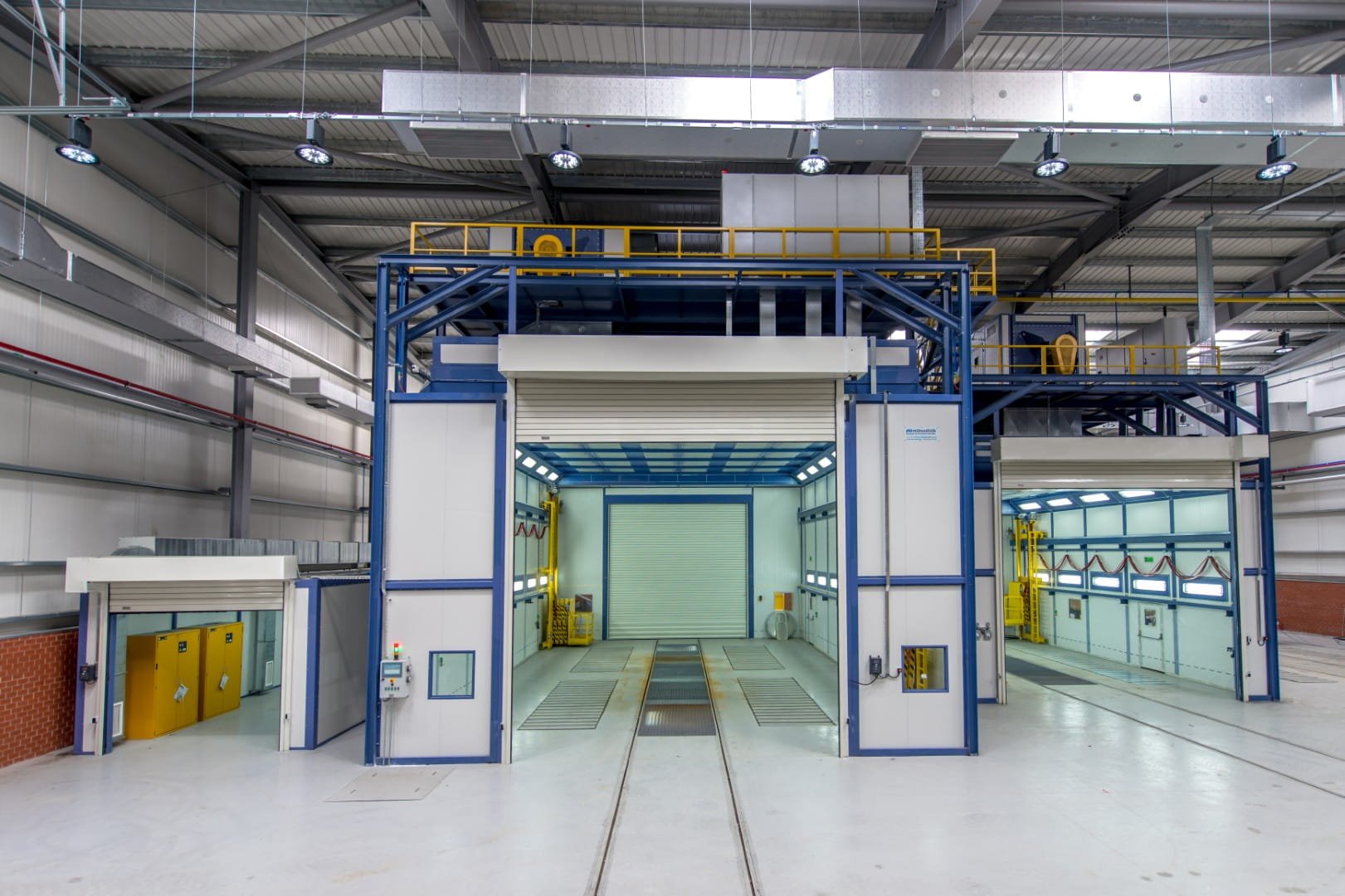
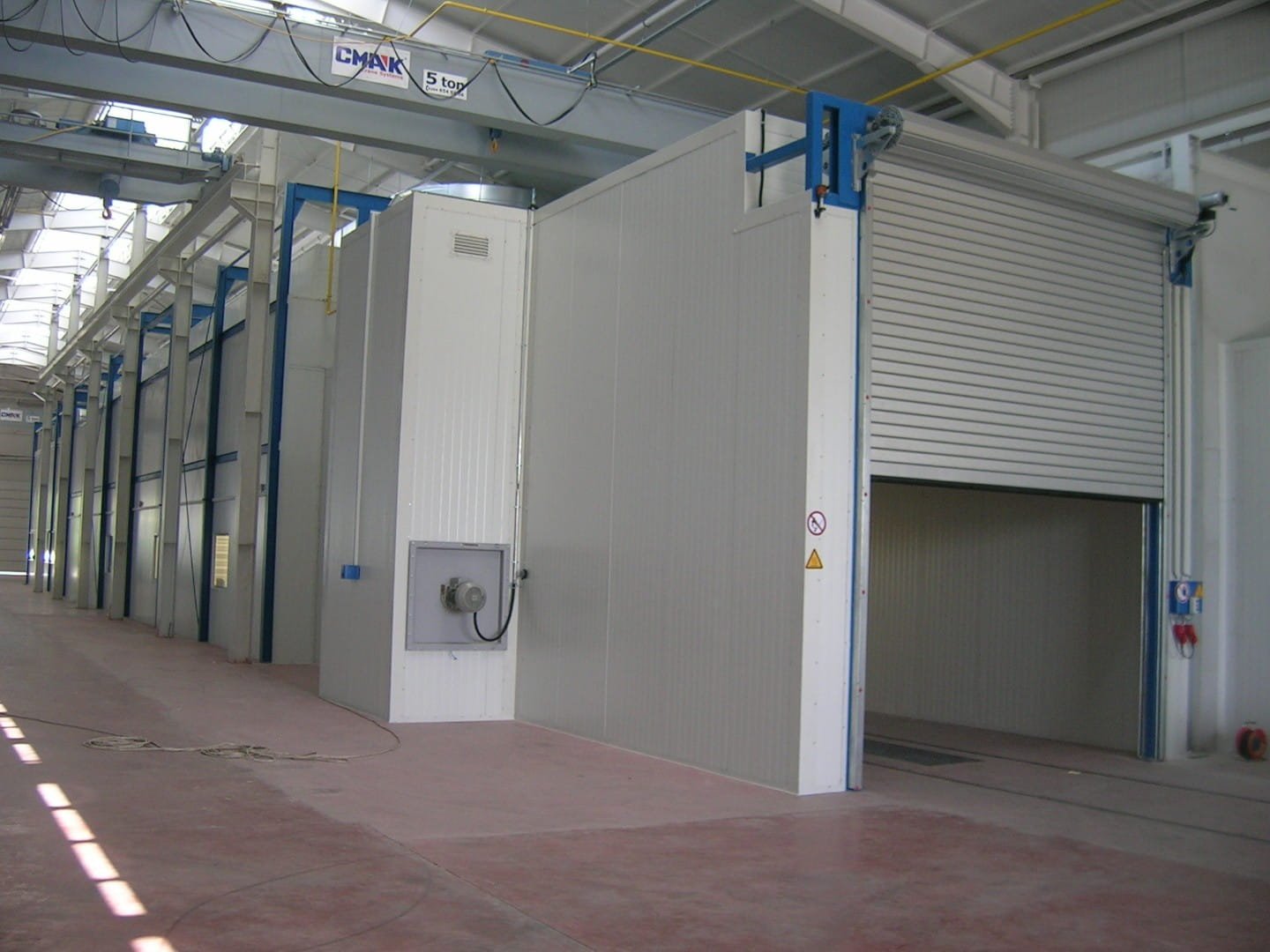
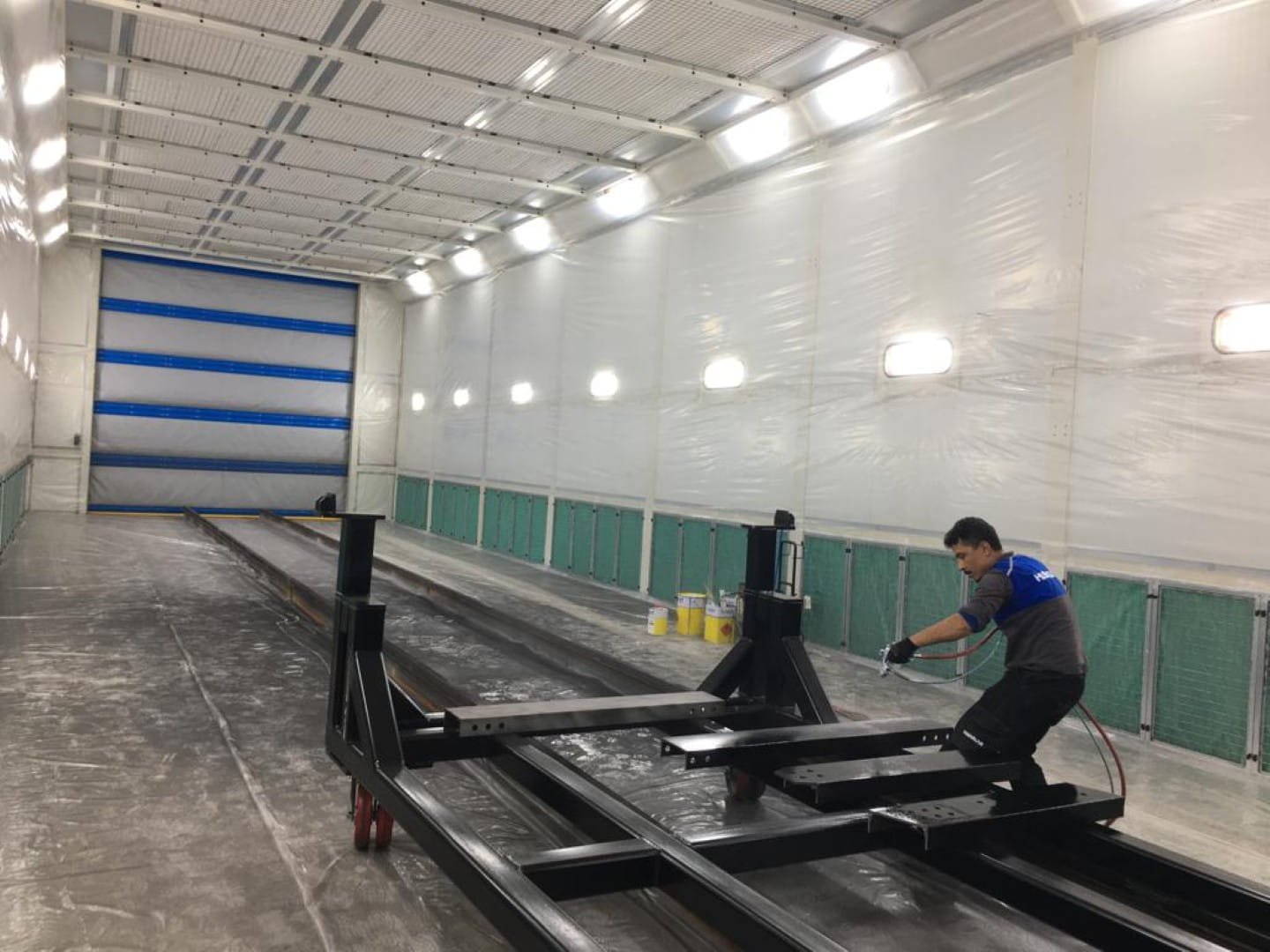
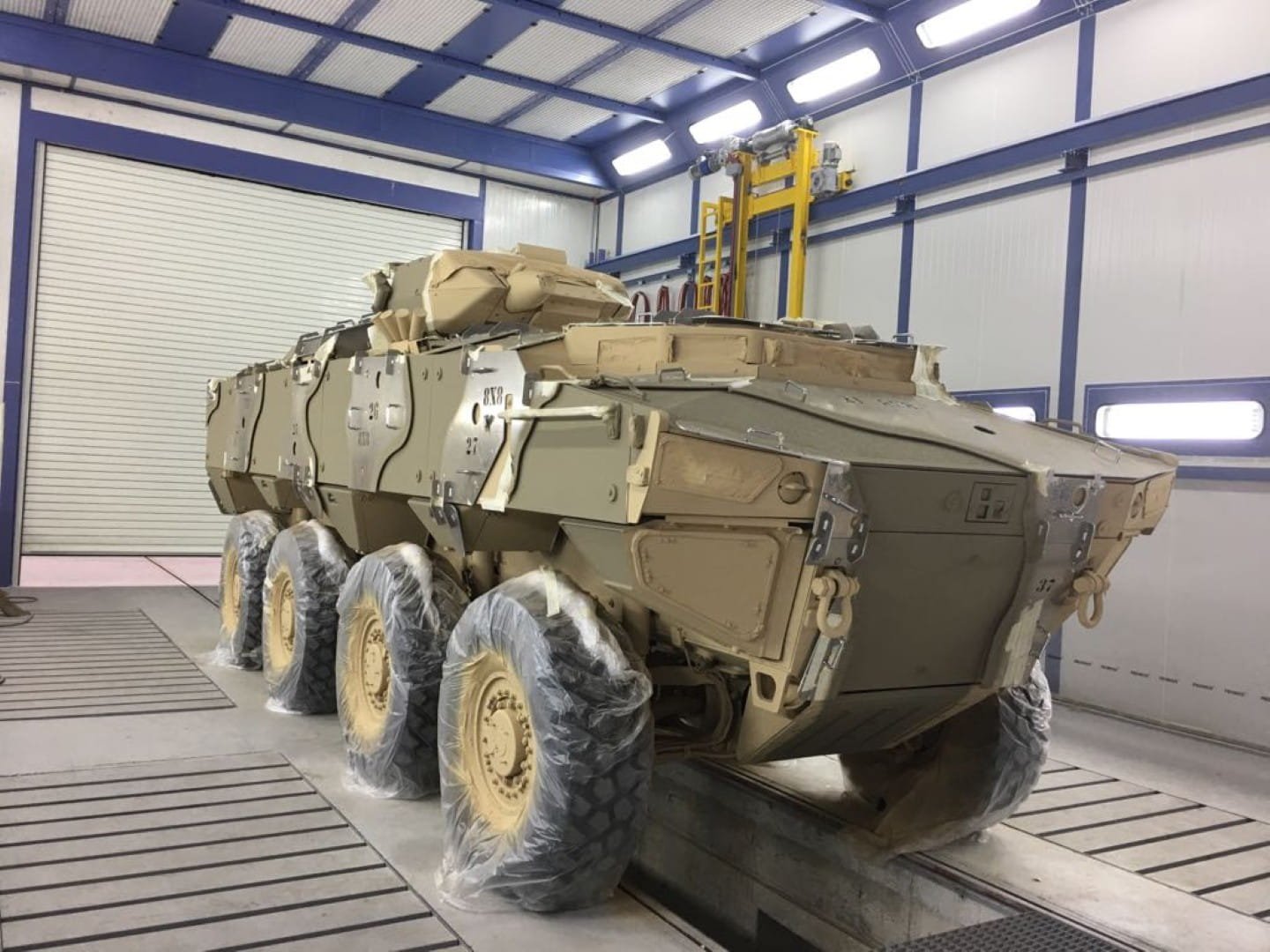
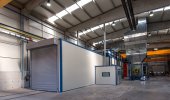
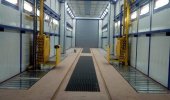
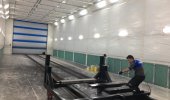
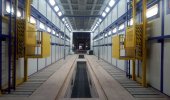
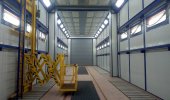
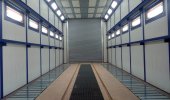
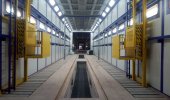
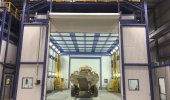
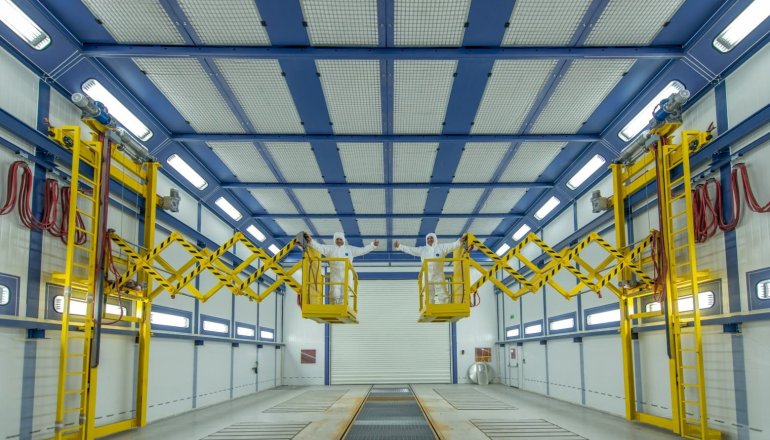
An efficient and high-quality painting process is only possible in an isolated and atmospherically controlled environment.
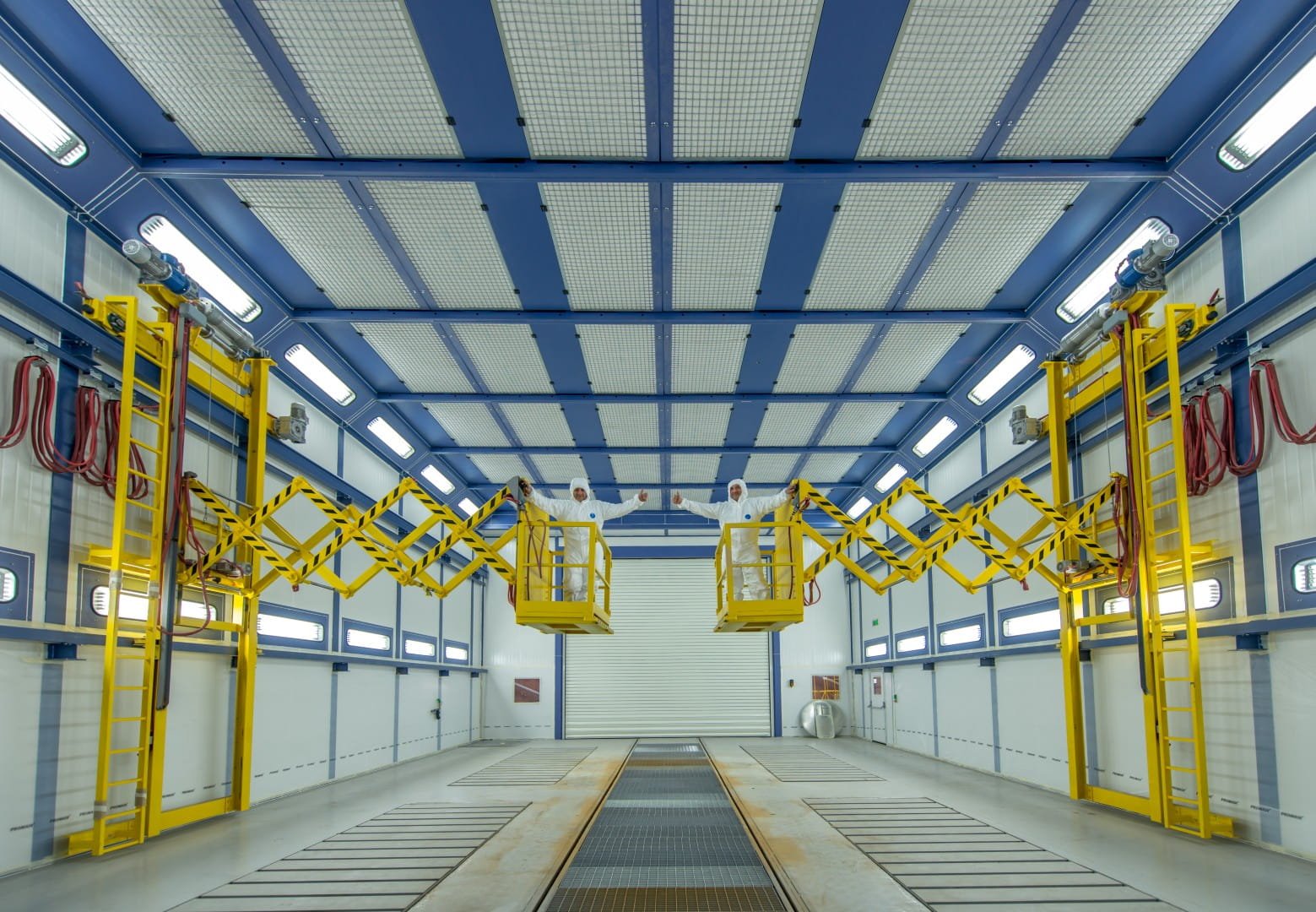
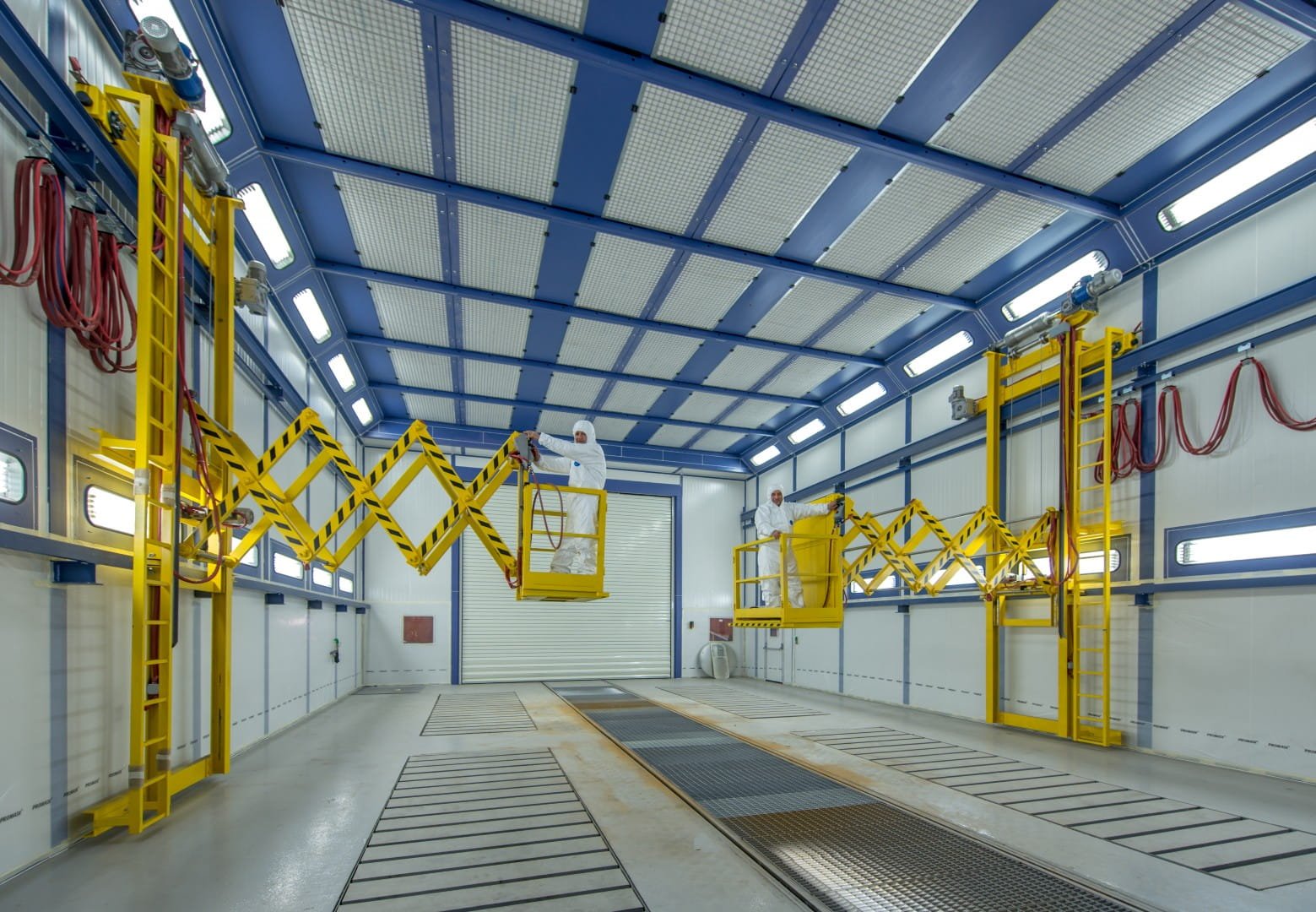
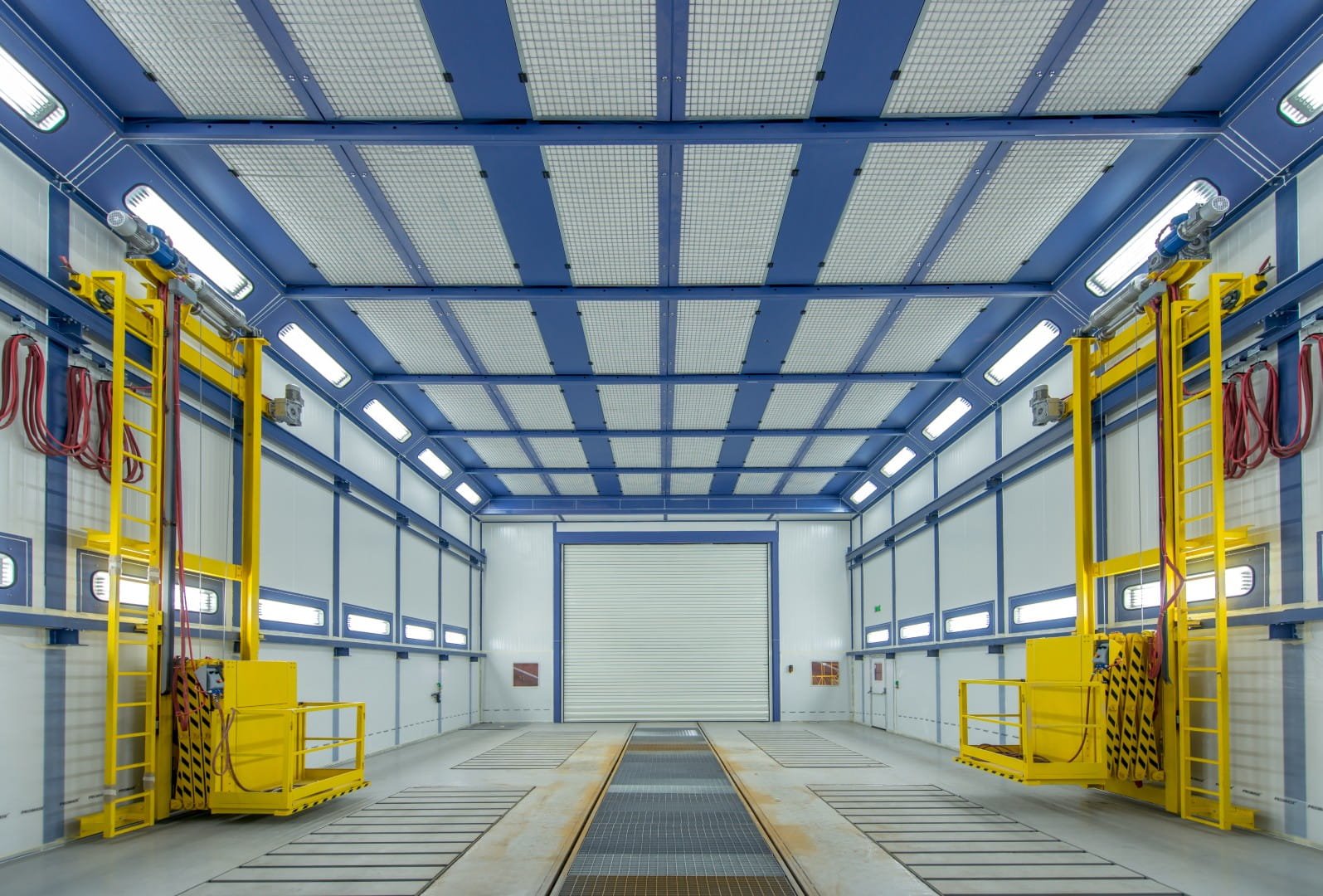
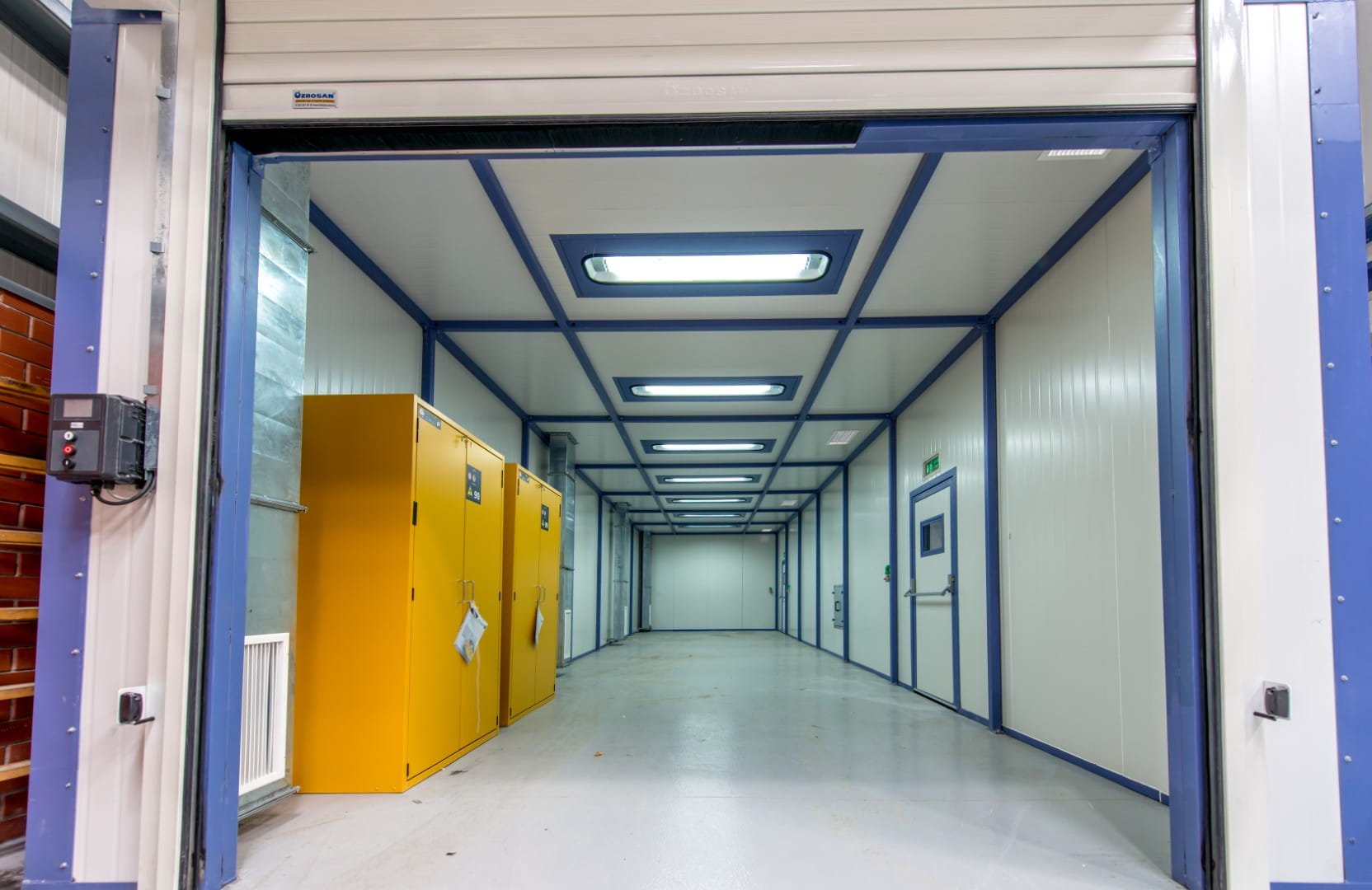
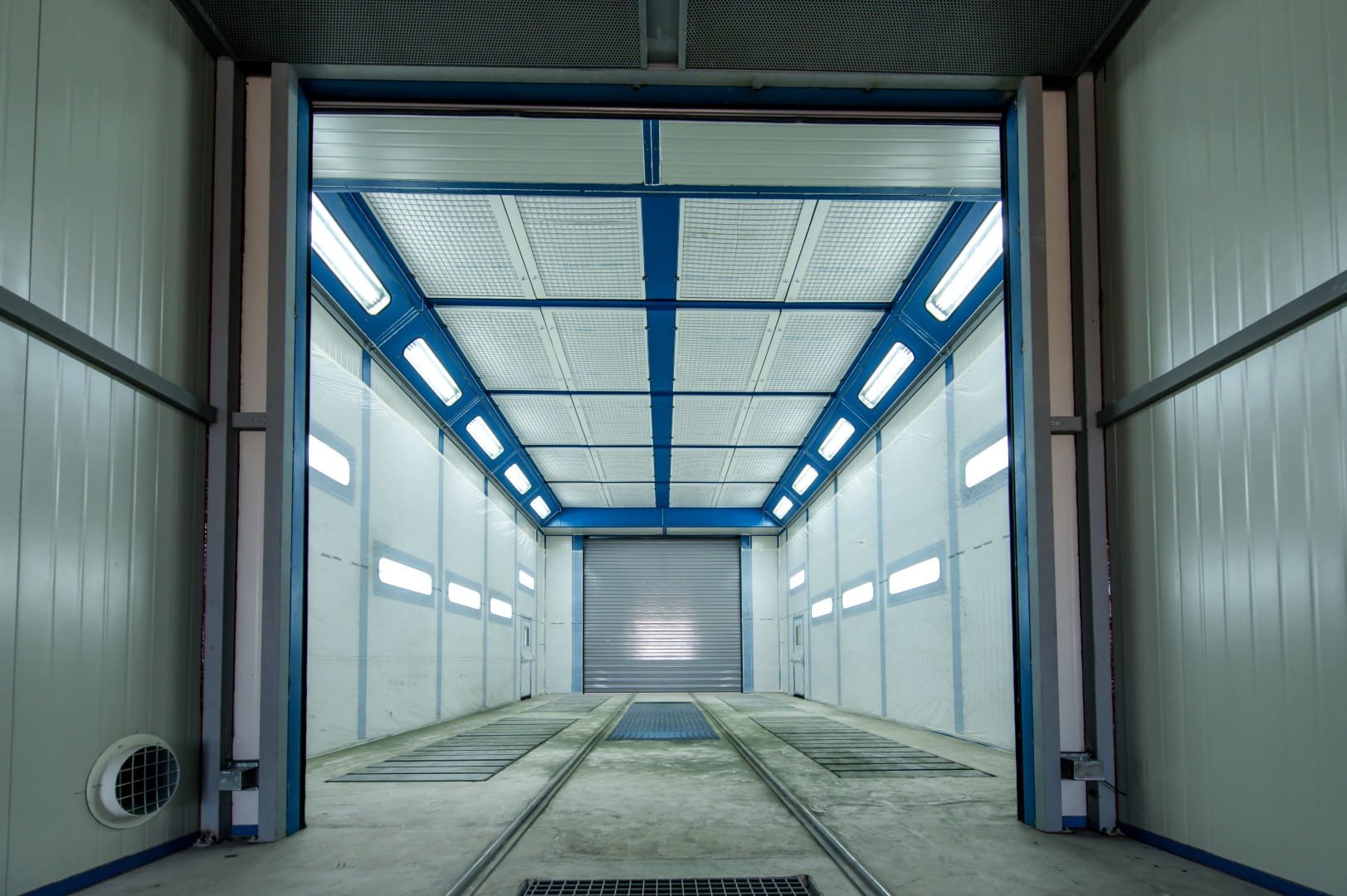
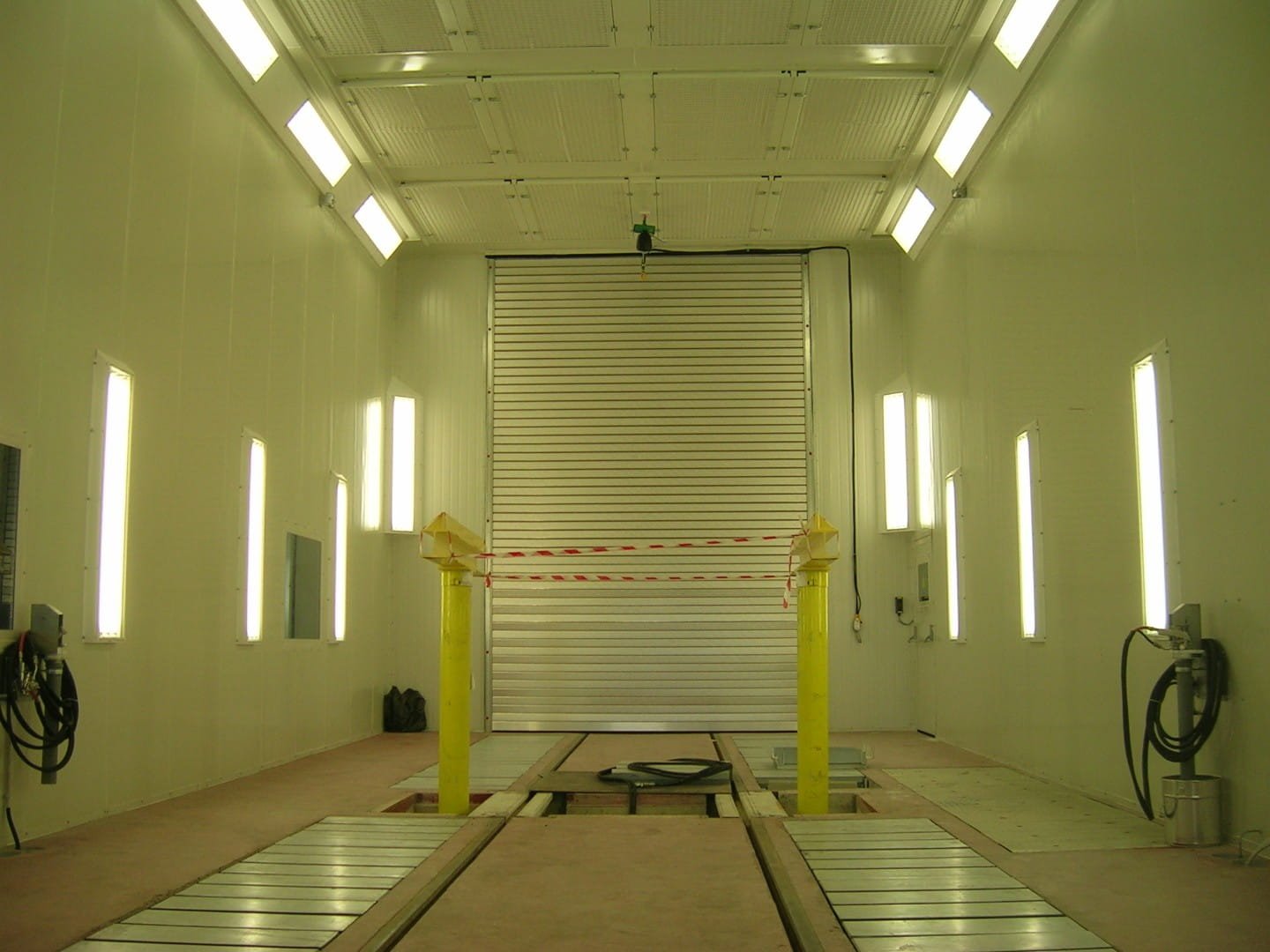
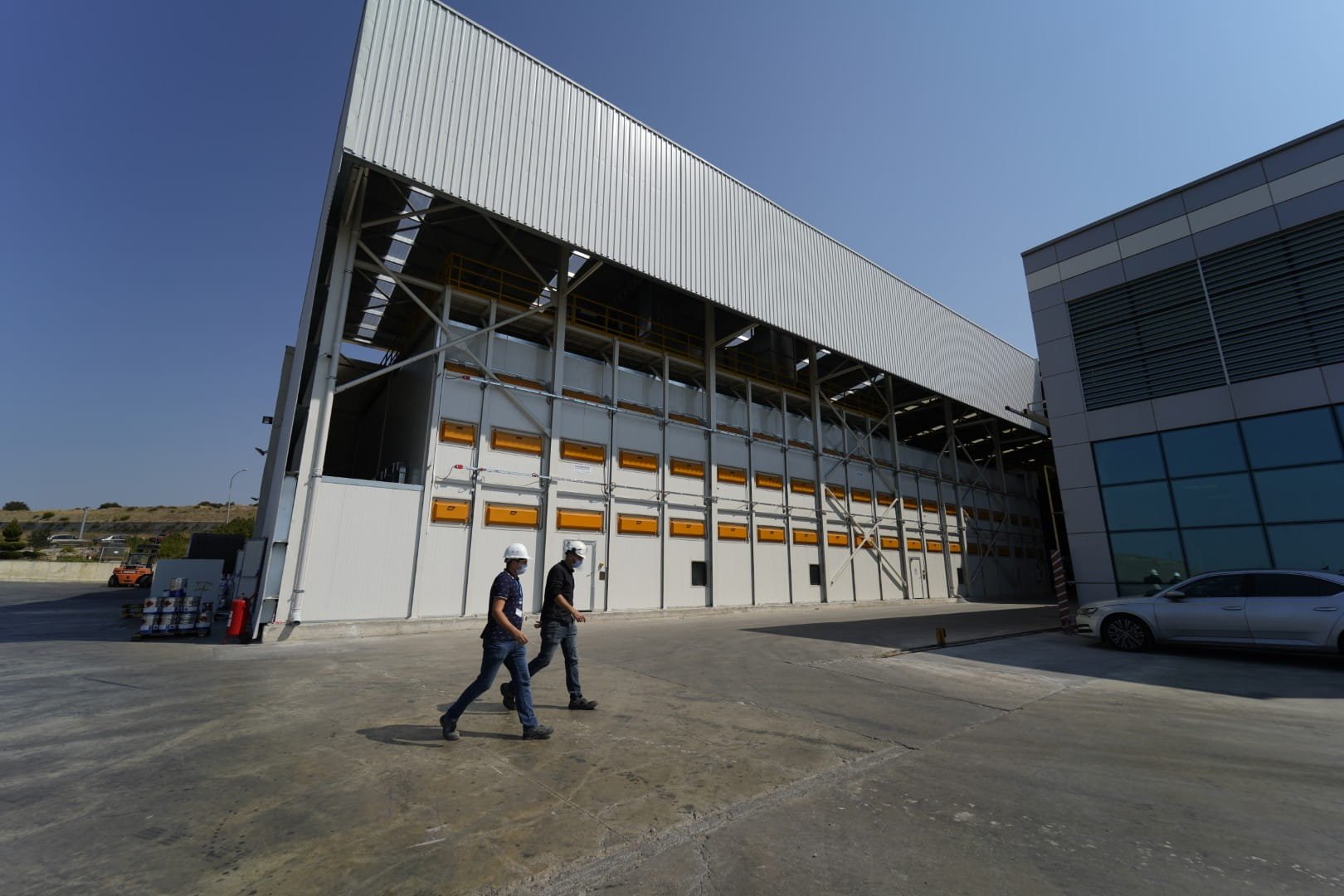
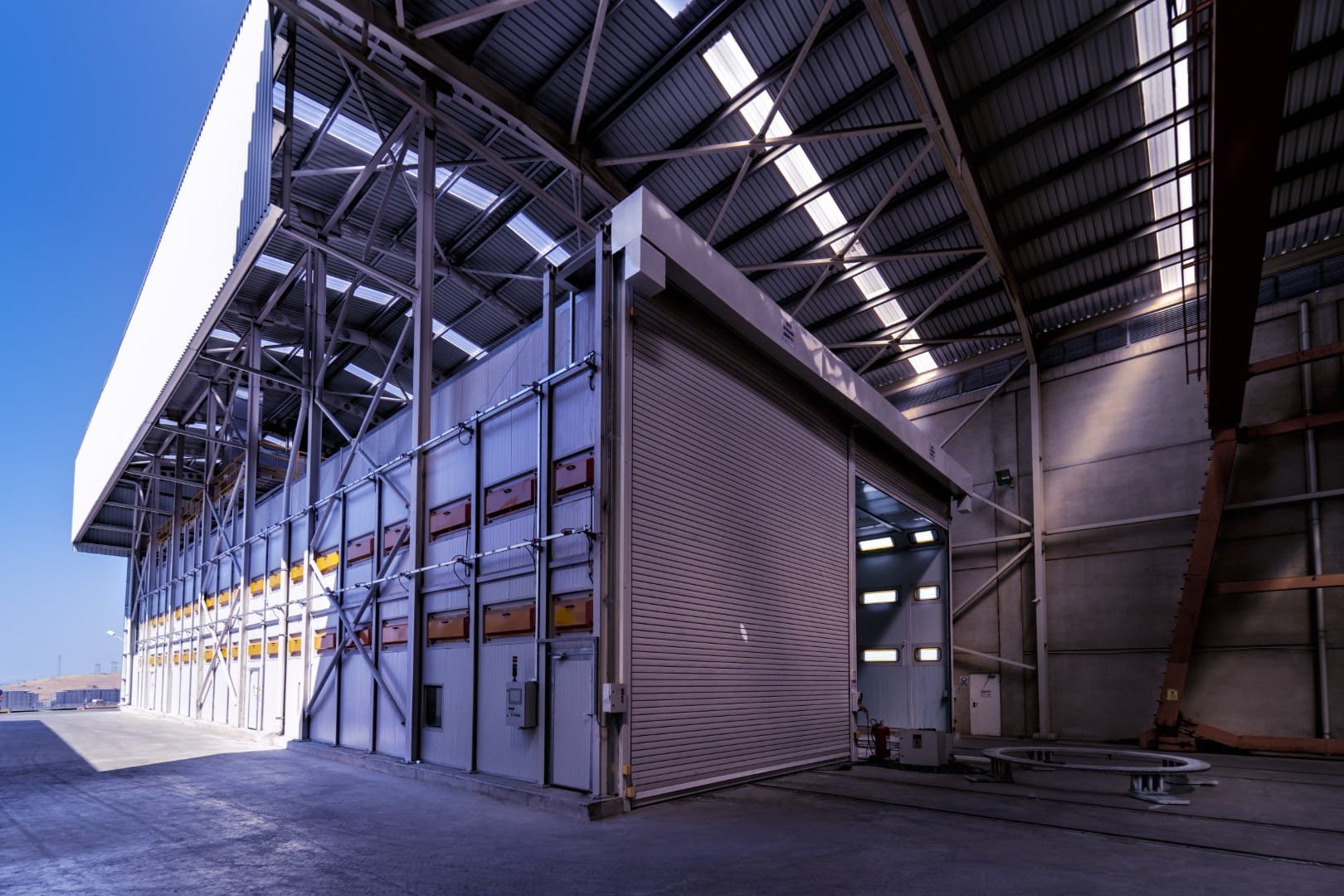
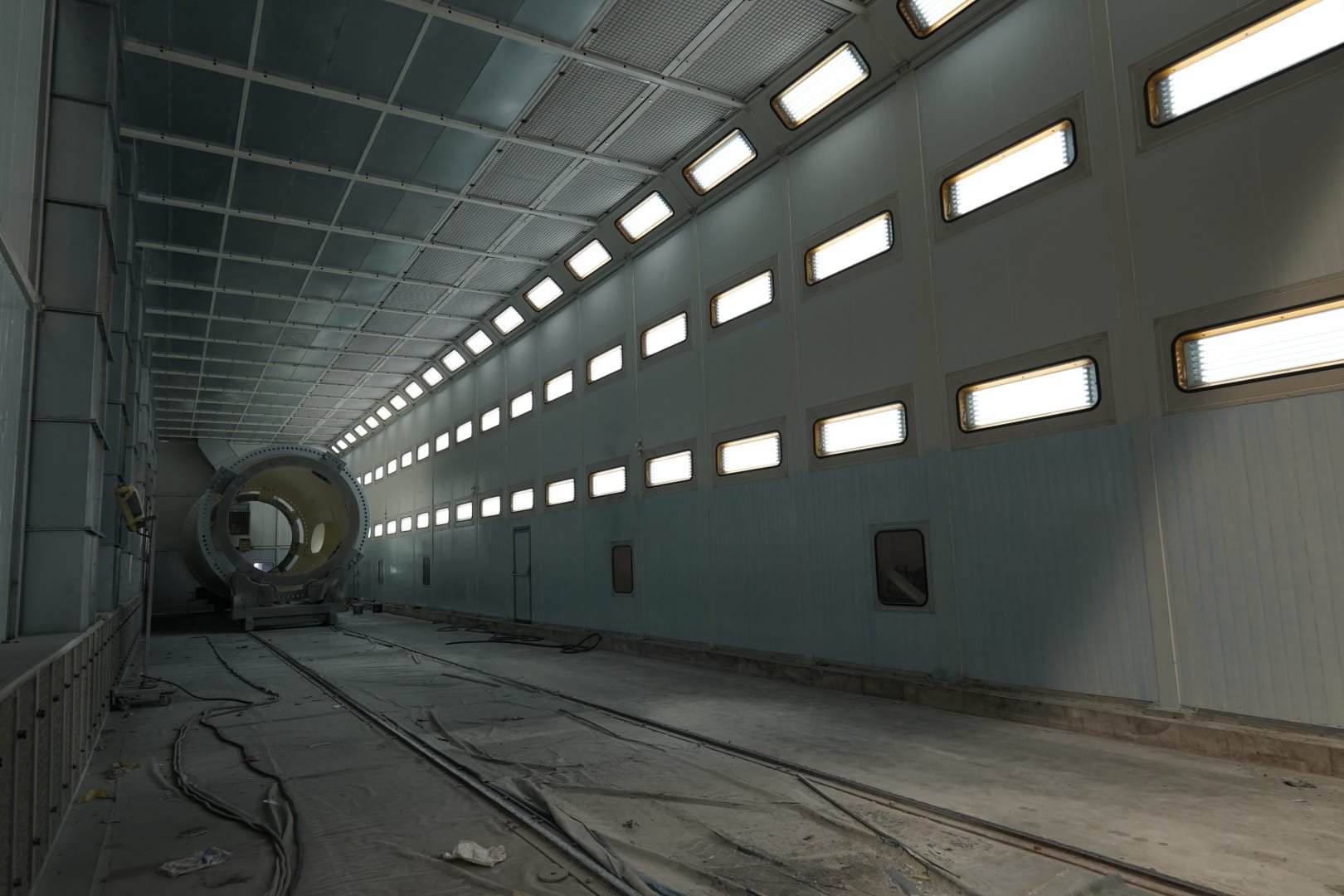
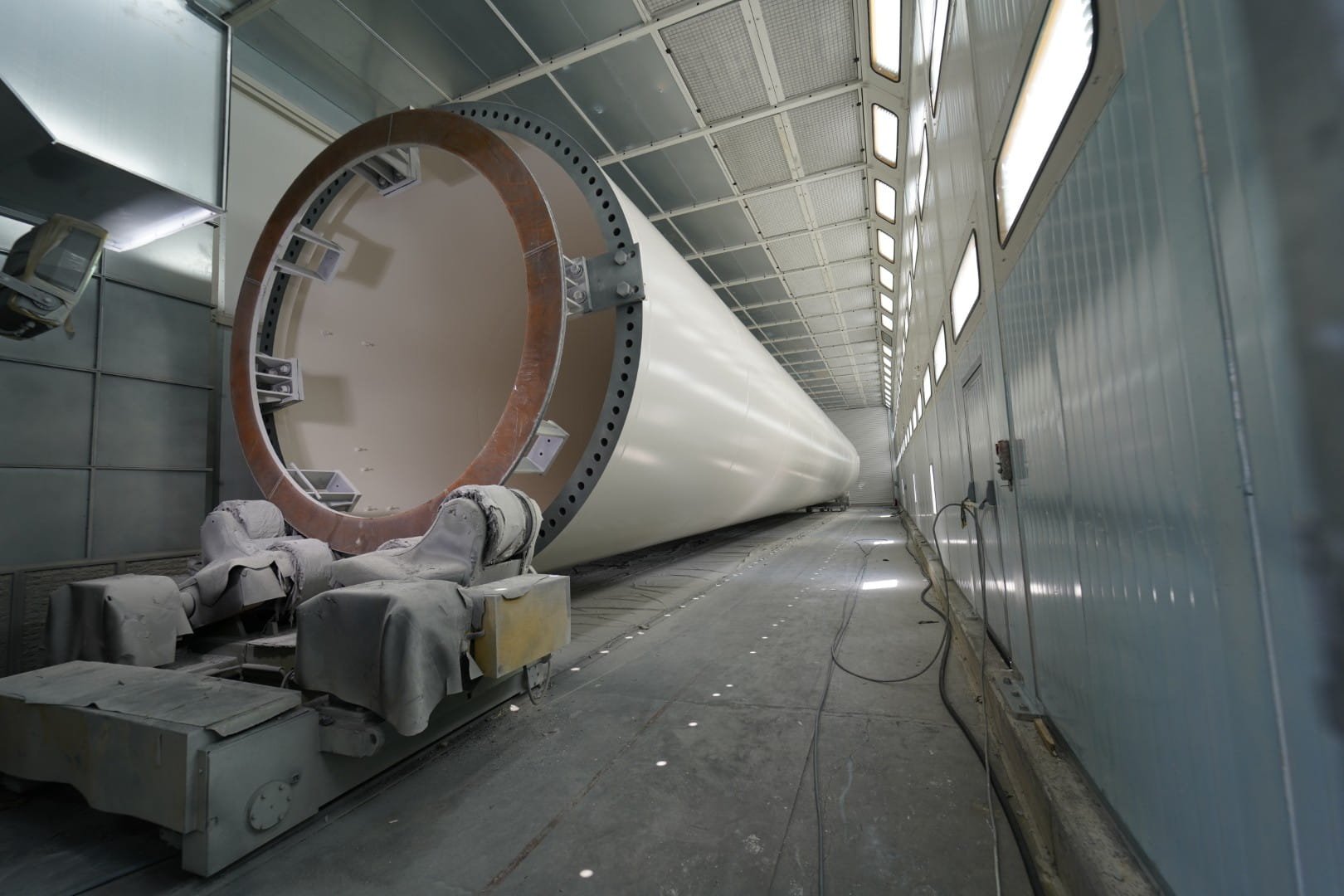
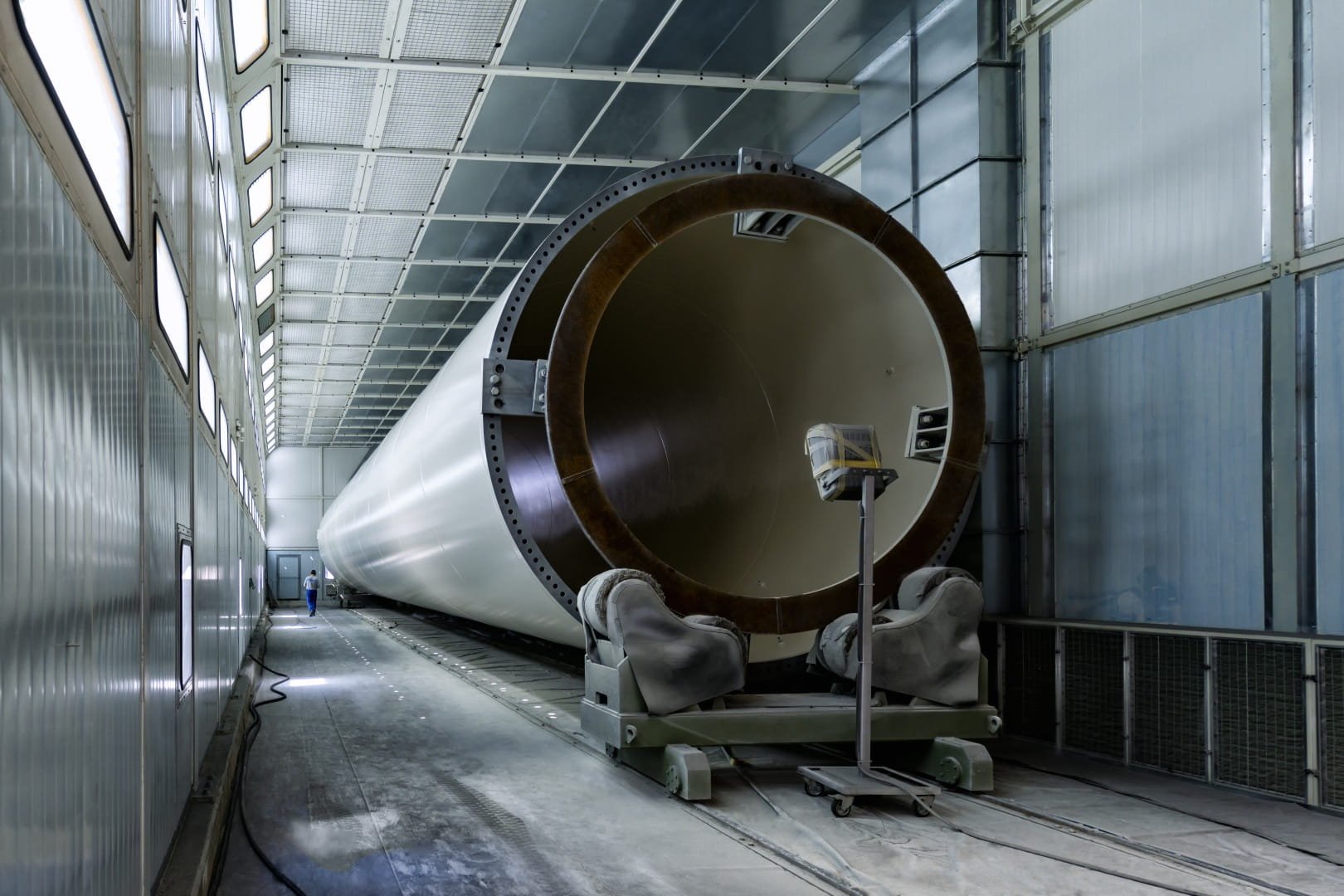
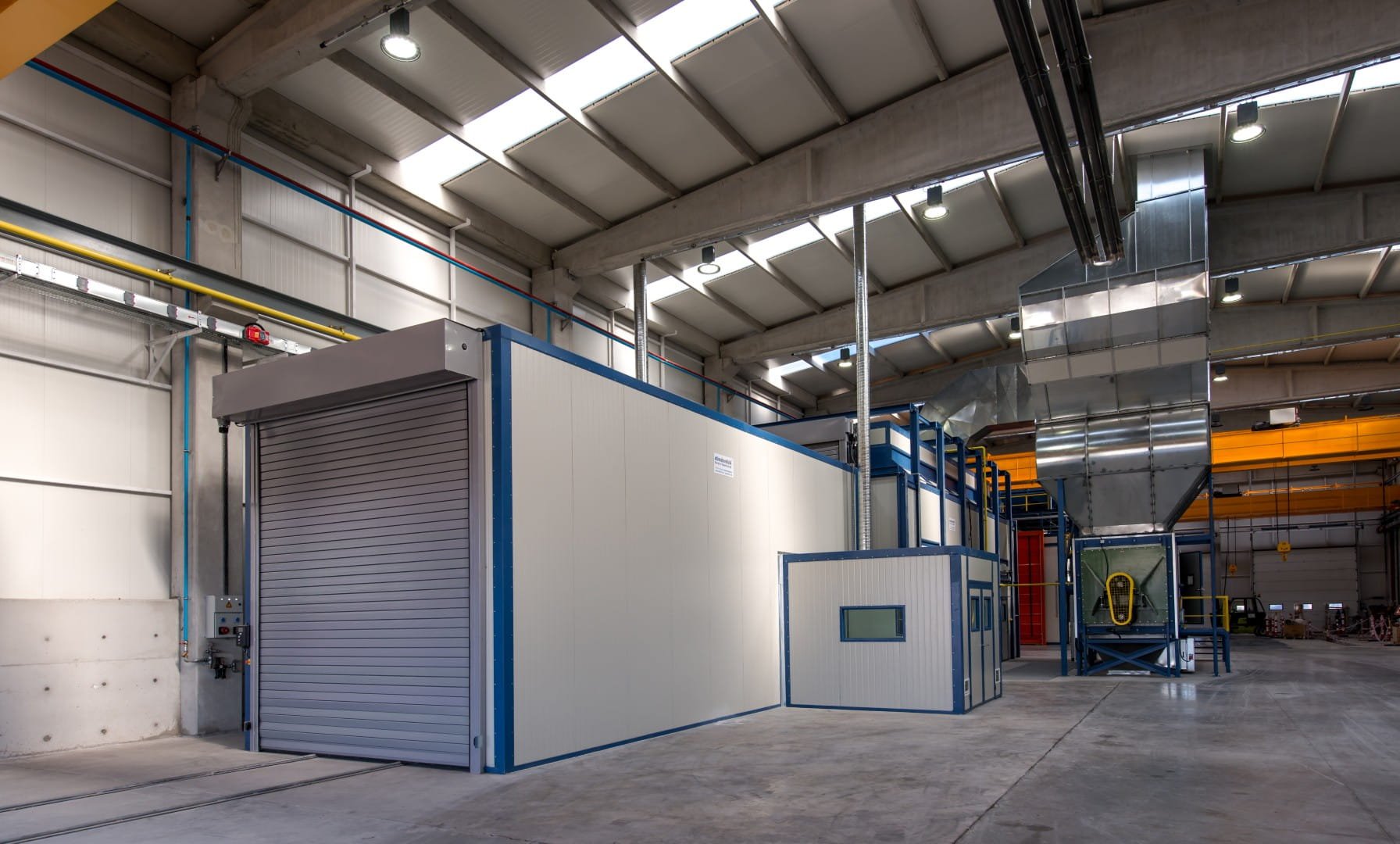
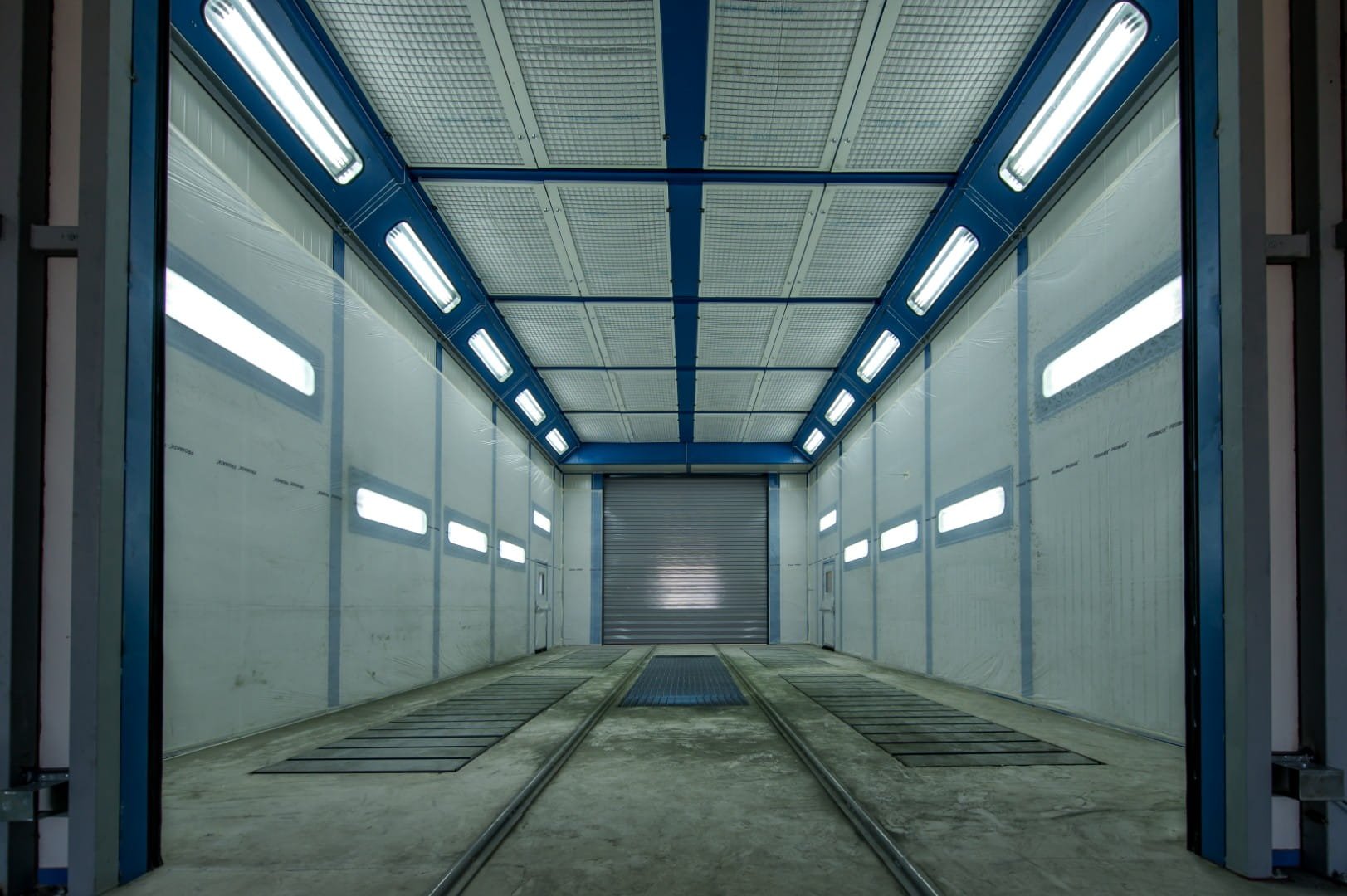
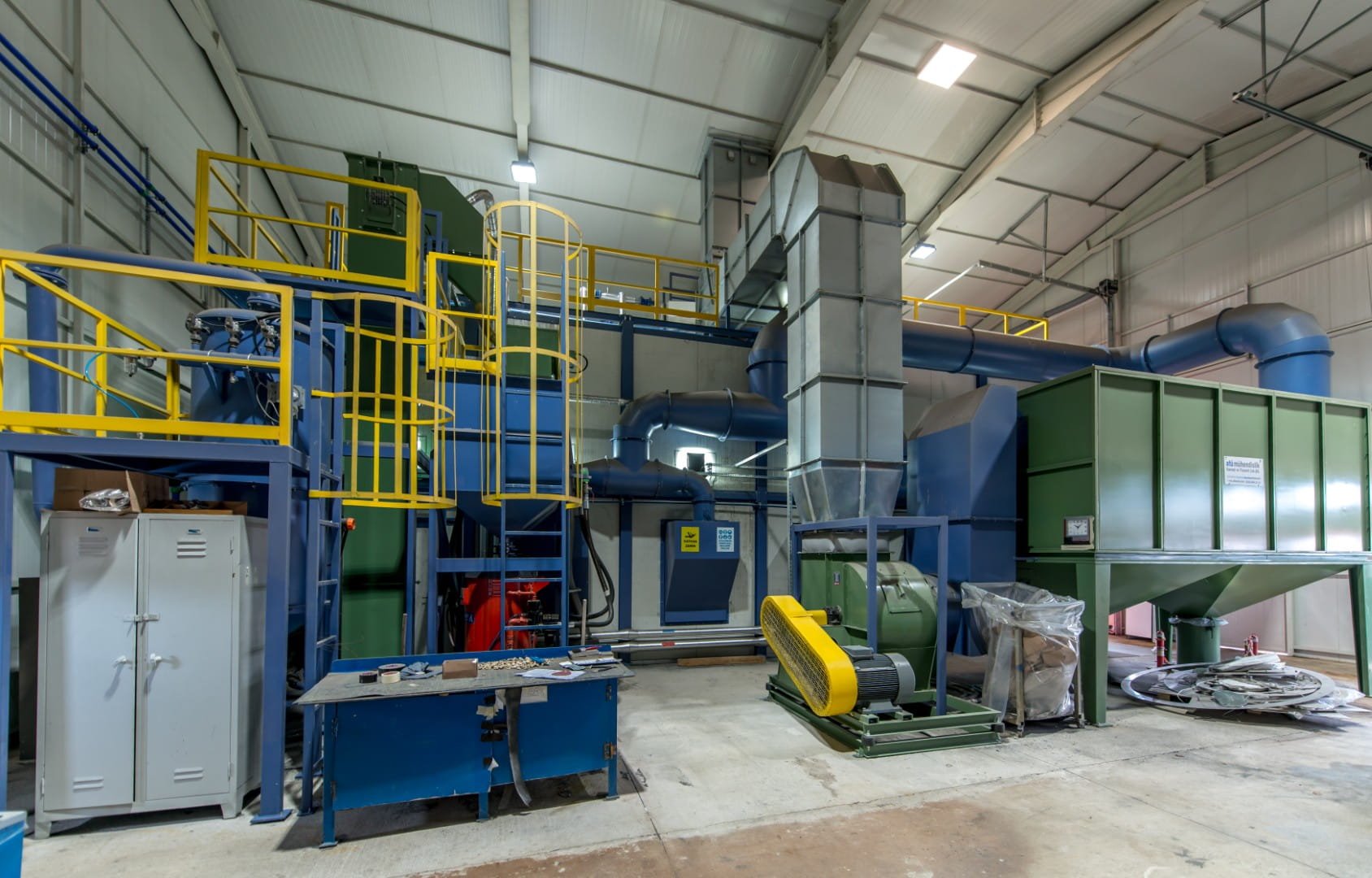
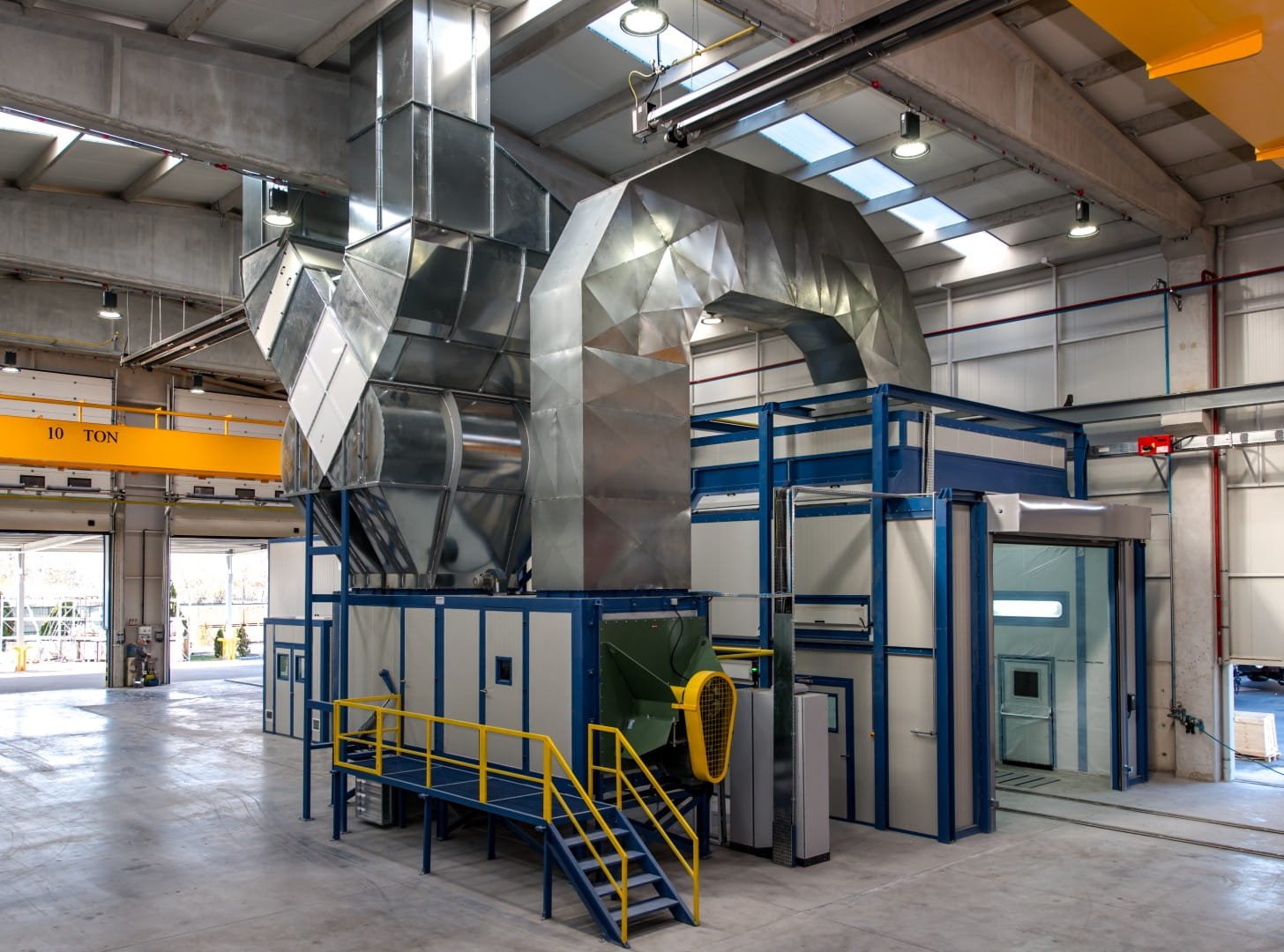
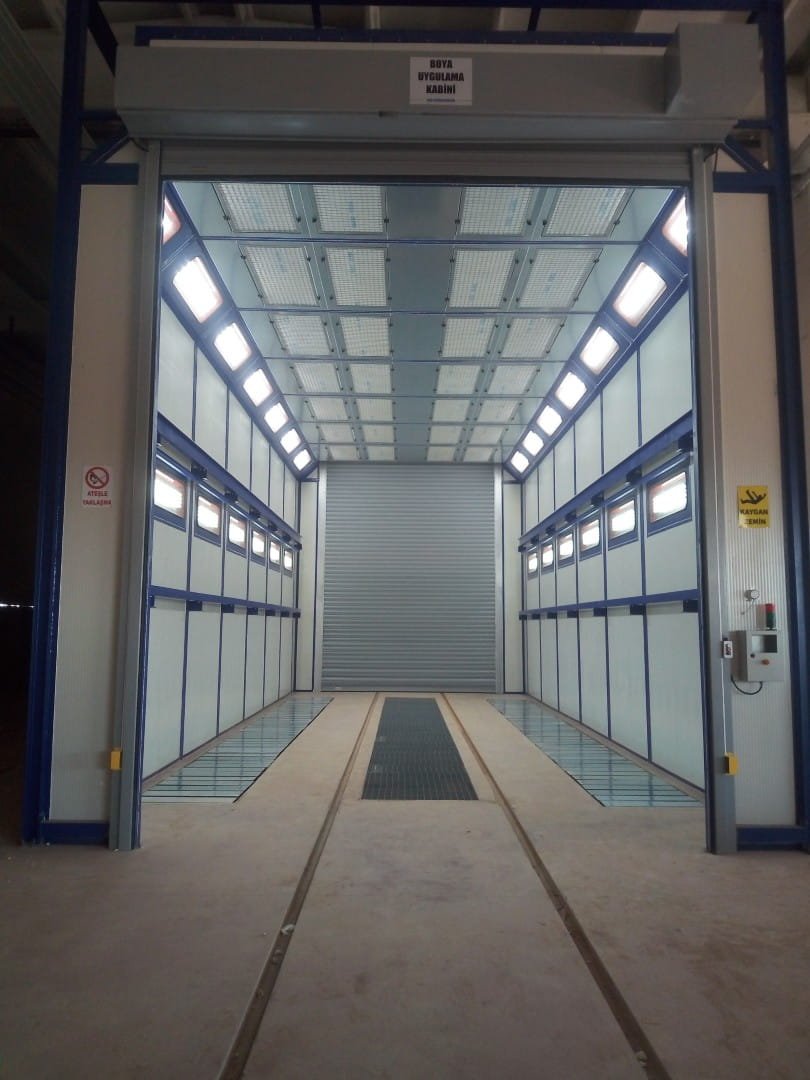
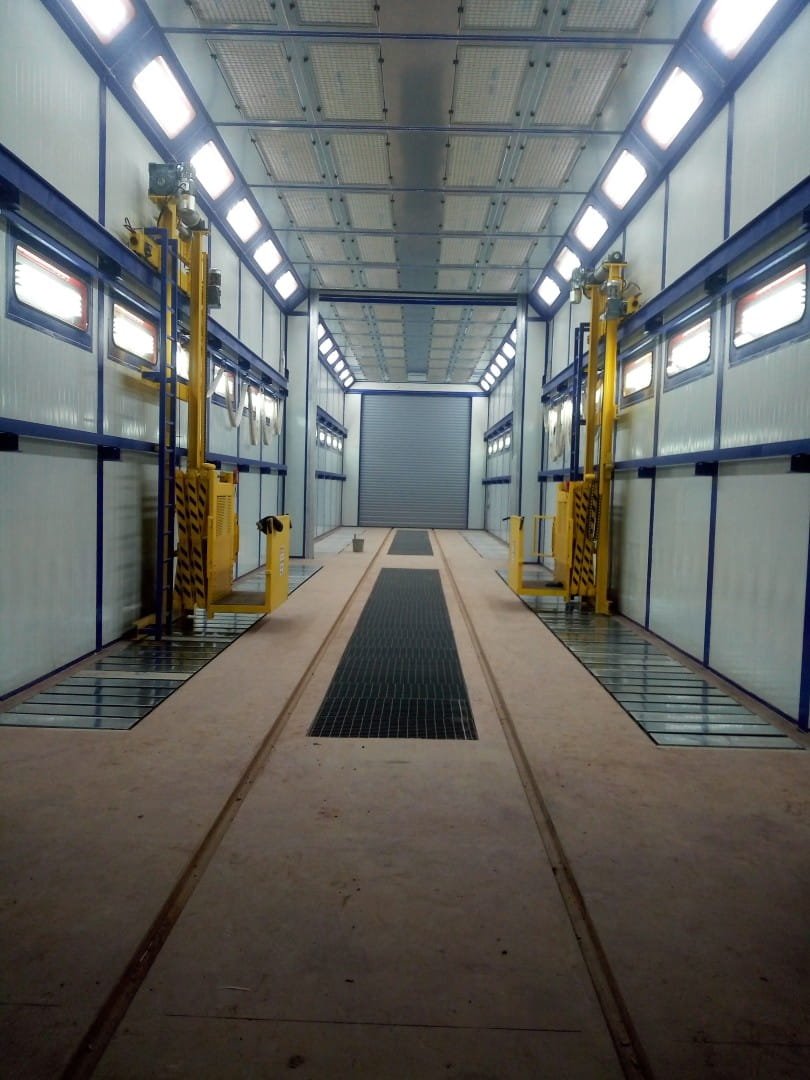
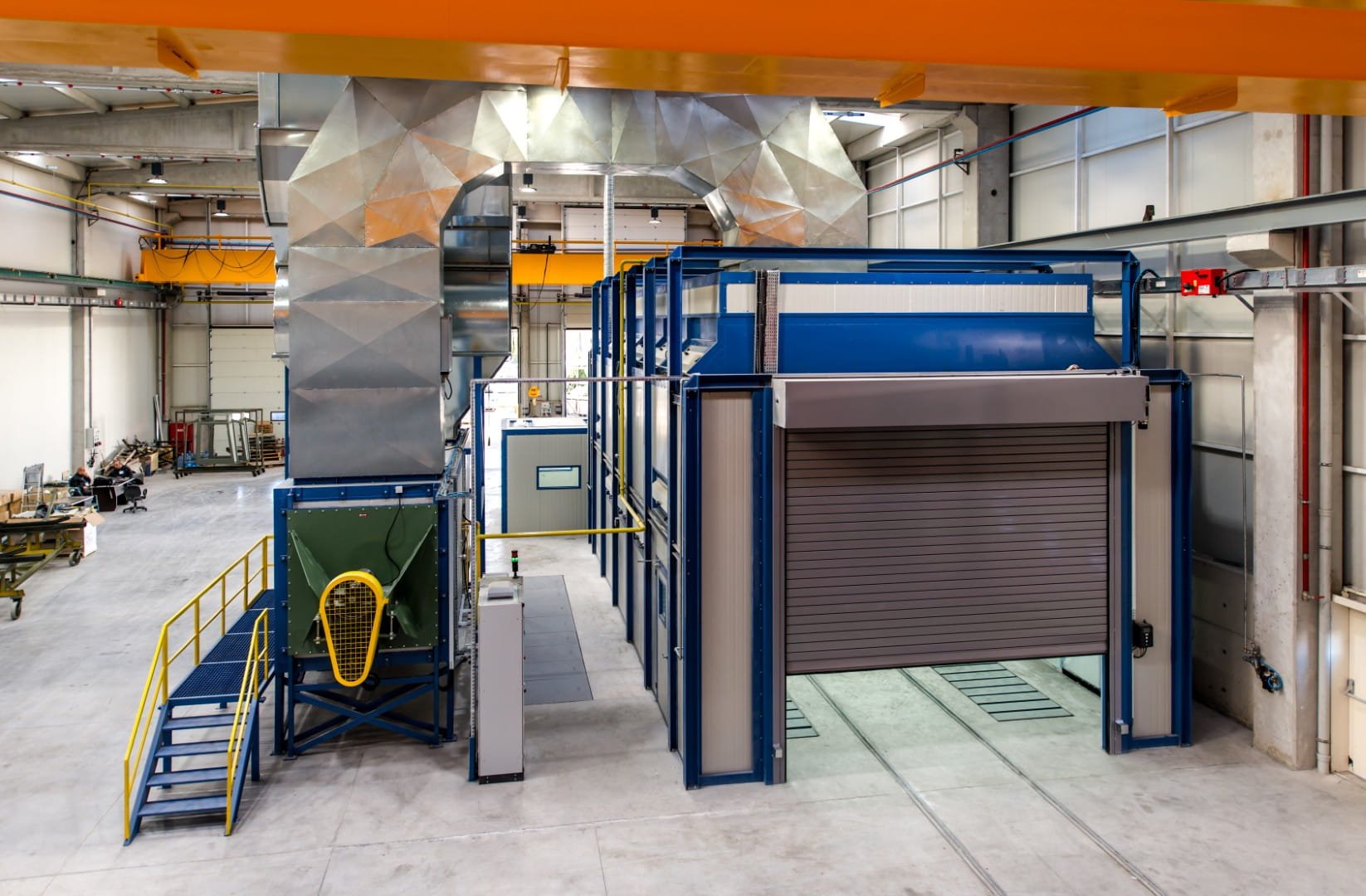
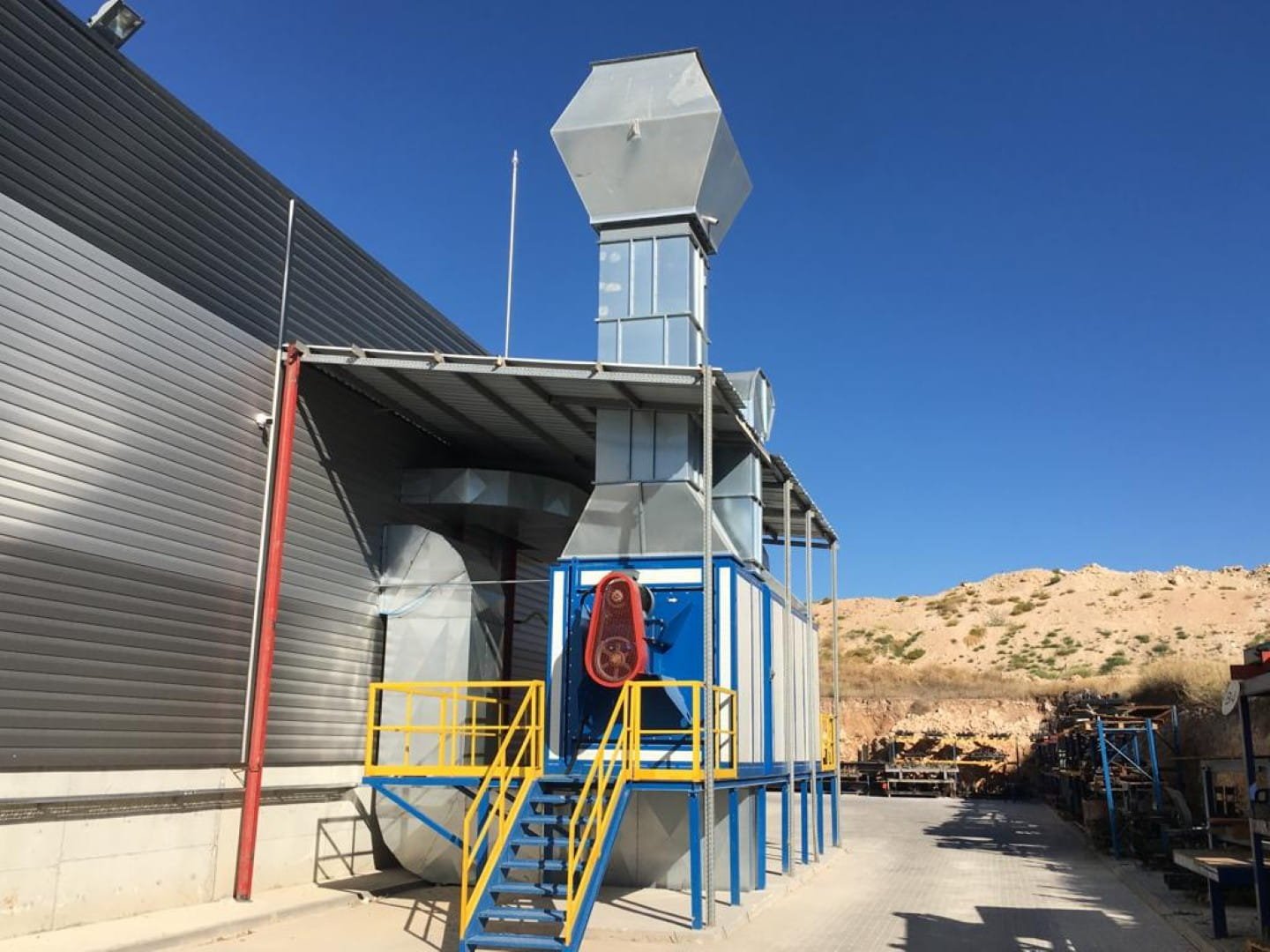
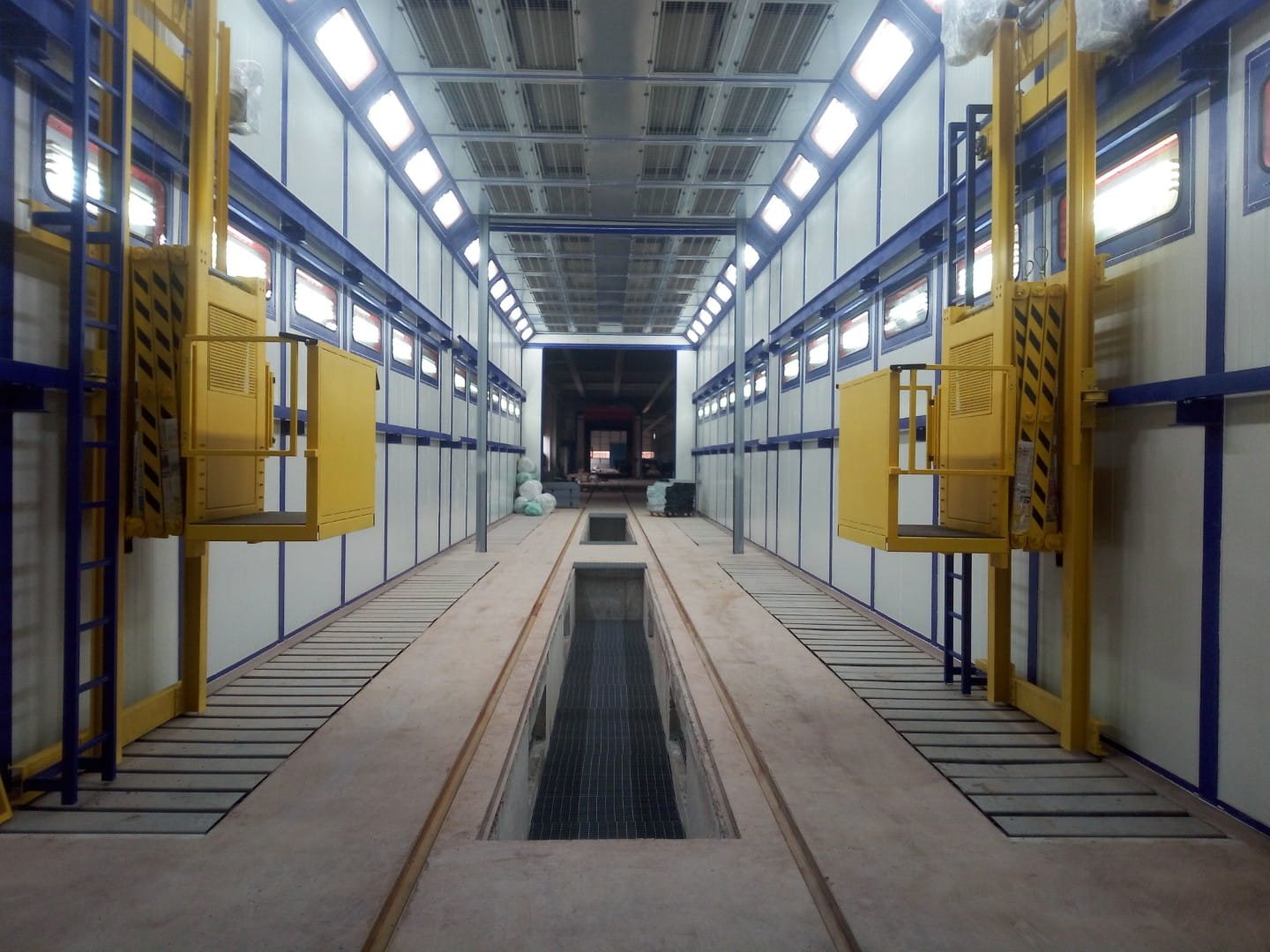
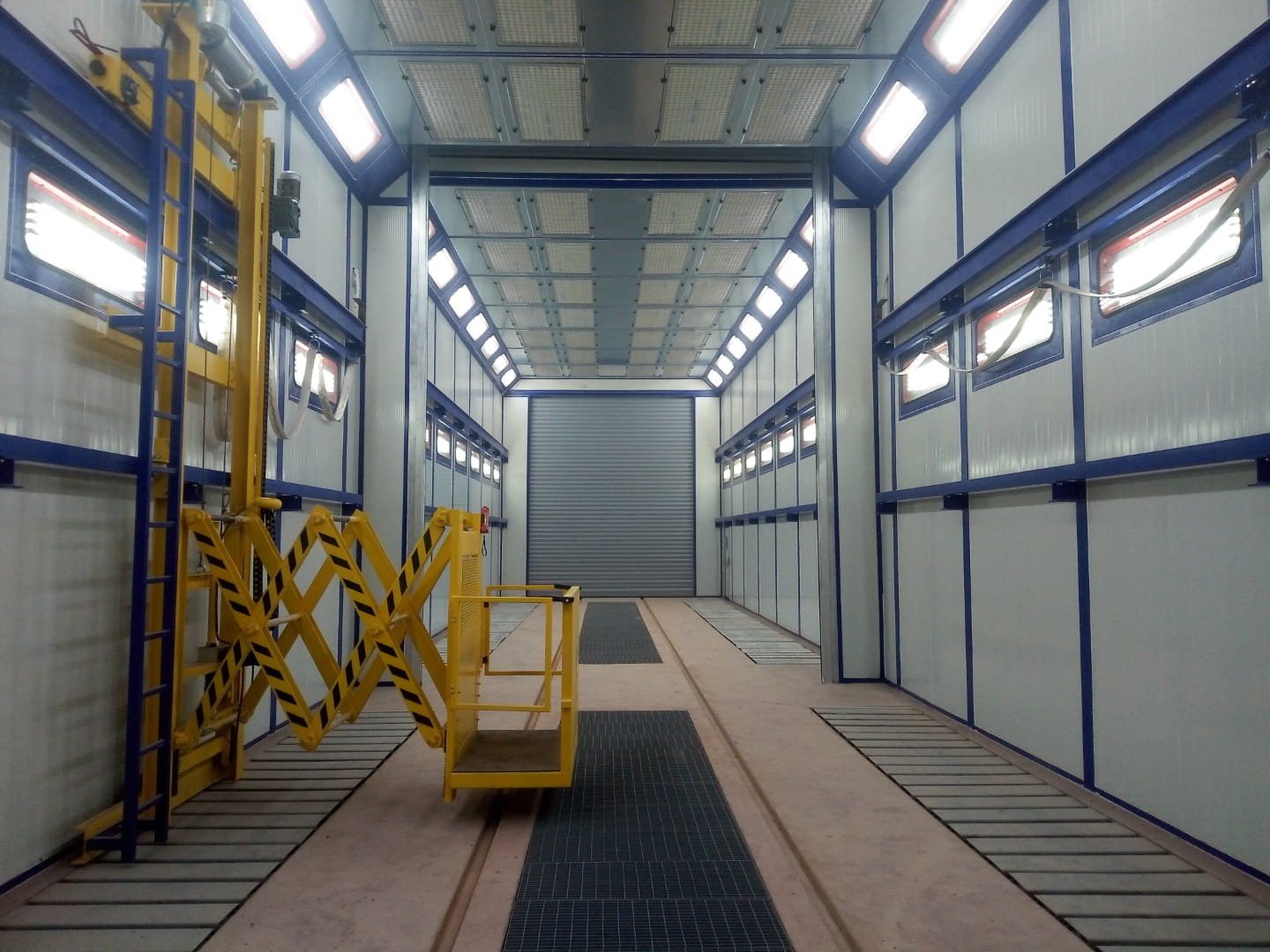
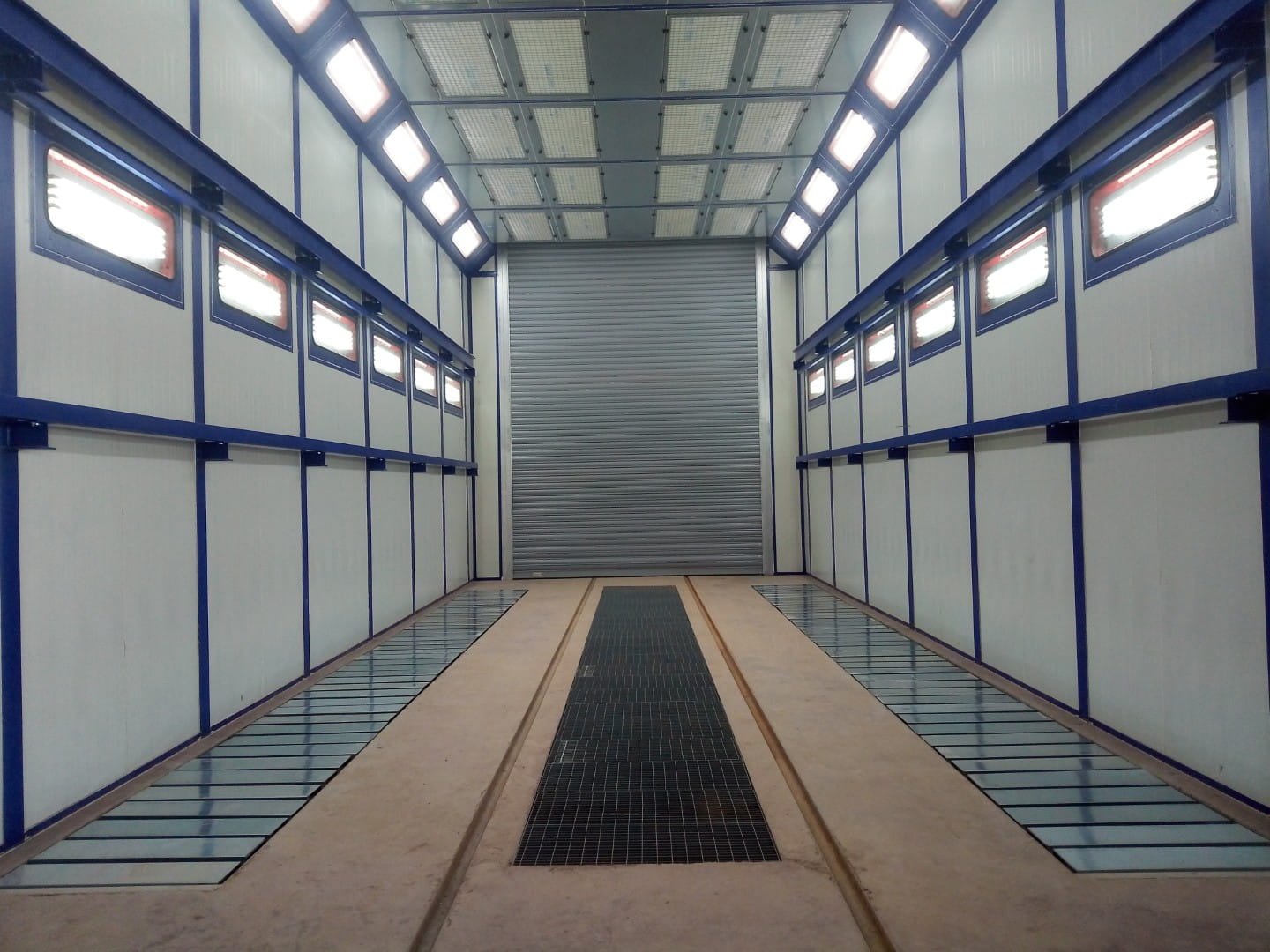
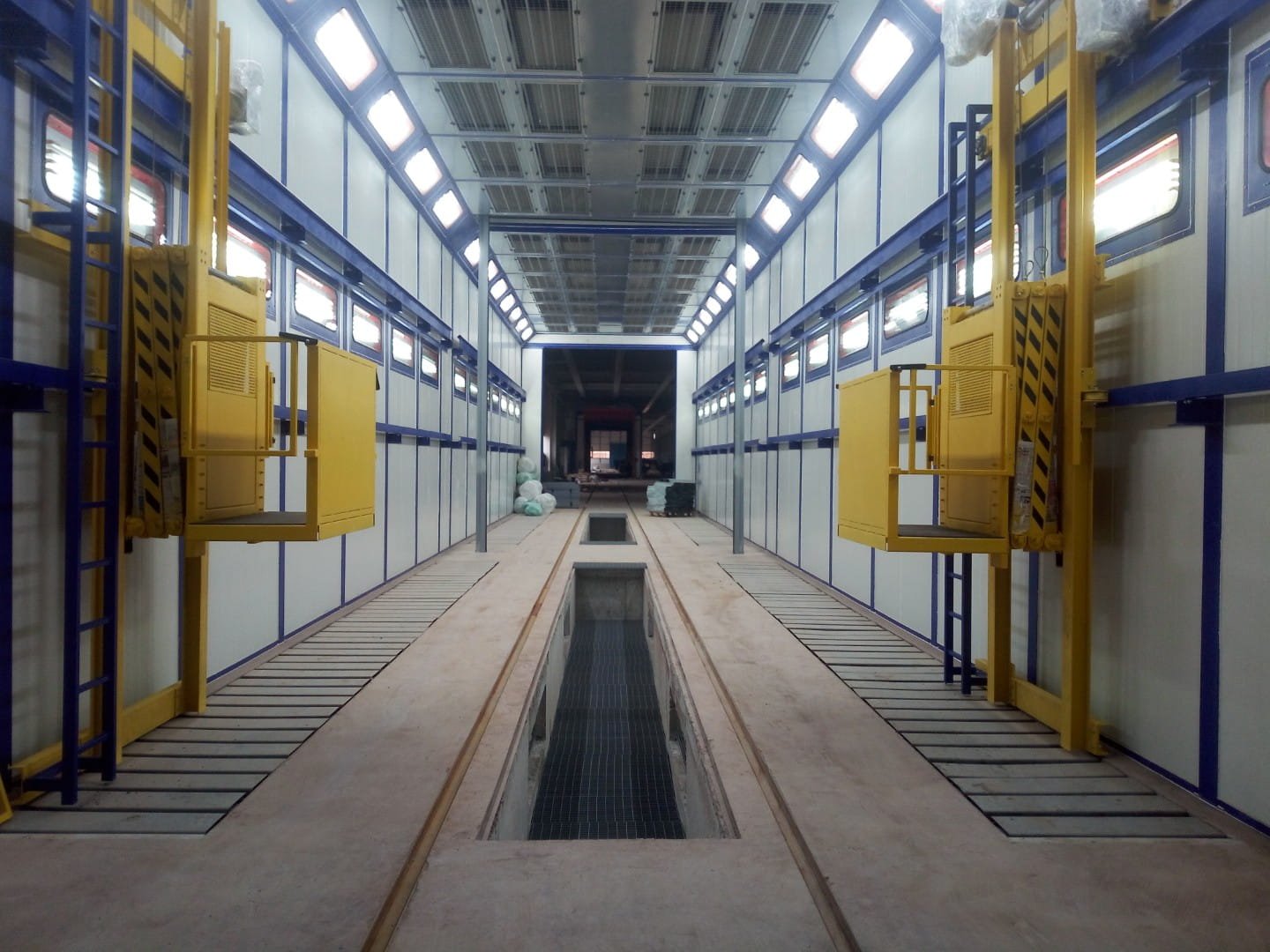
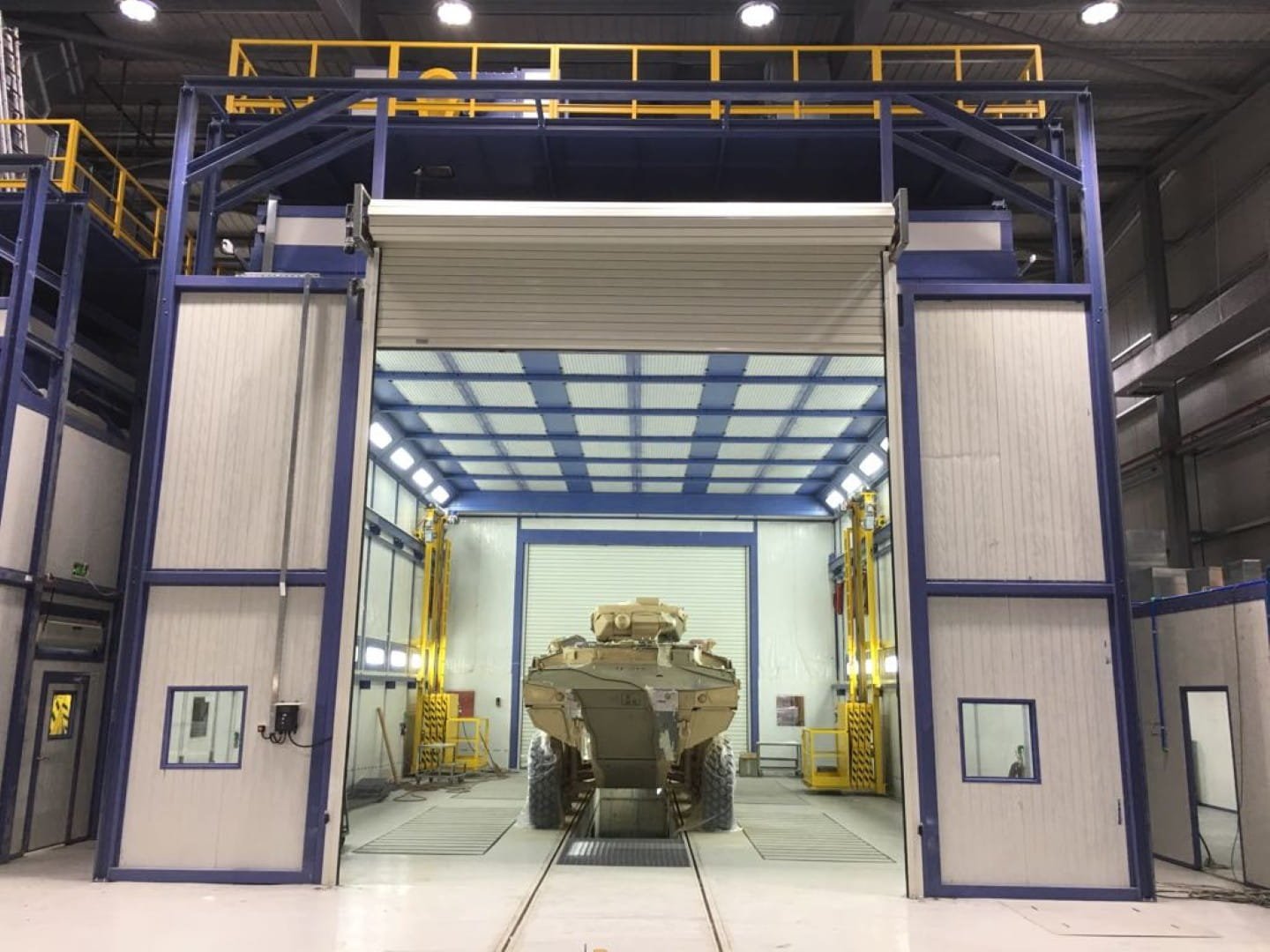
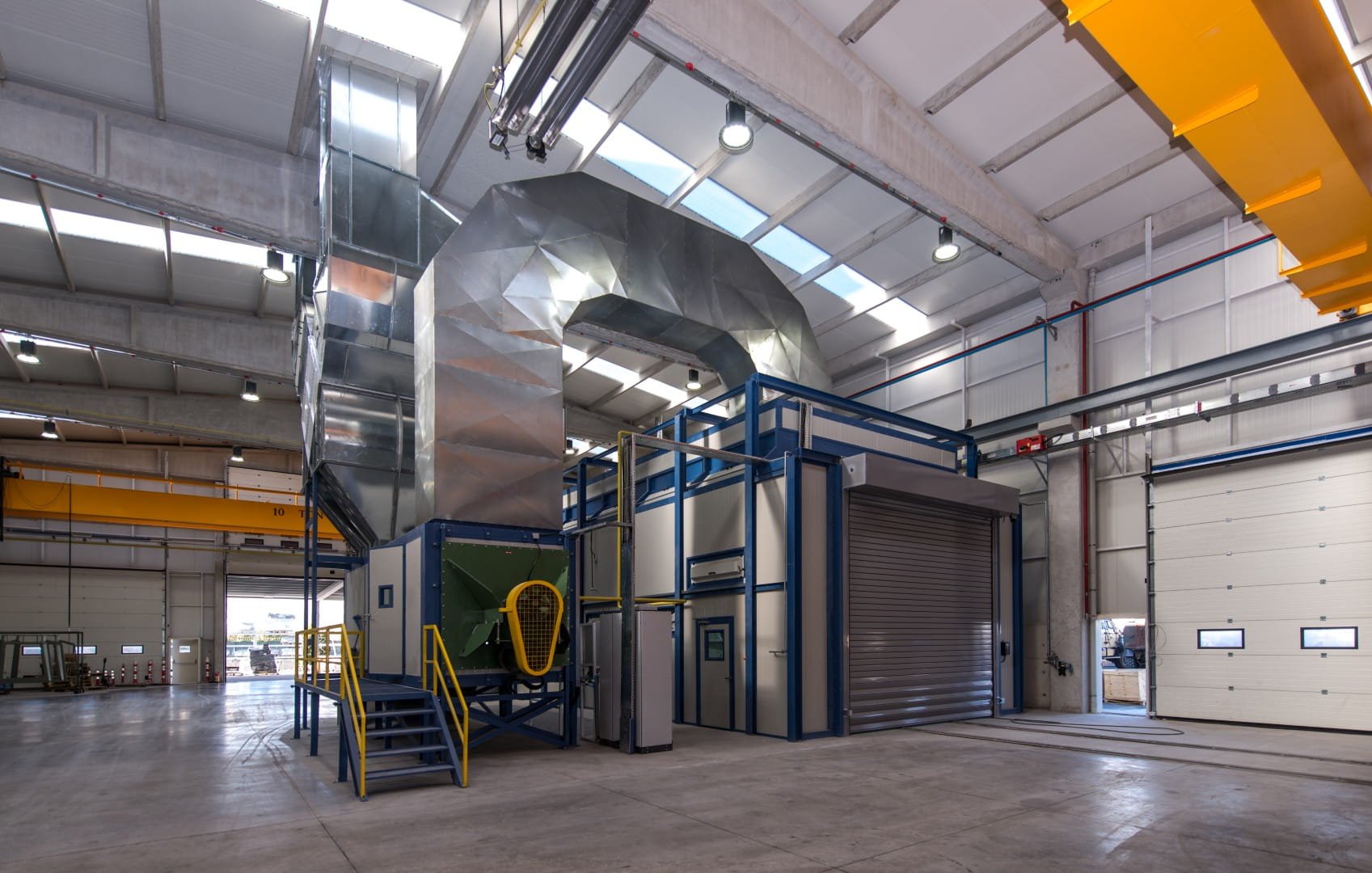
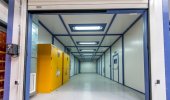
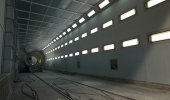
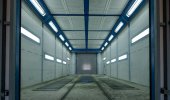
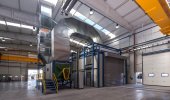
A high-quality paint booth is more than just an enclosed space, it is a complete unit designed with consideration for air circulation, filtration, exhaust, humidity, temperature, lighting, and other technical criteria. Our booths are engineered in accordance with customer production needs and general technical standards.
- Ensure control on VOC emissions,
- Provides compliance with local environmental regulations such as ISO 14001 and REACH,
- Eliminates external factors such as dust, humidity, and particulates,
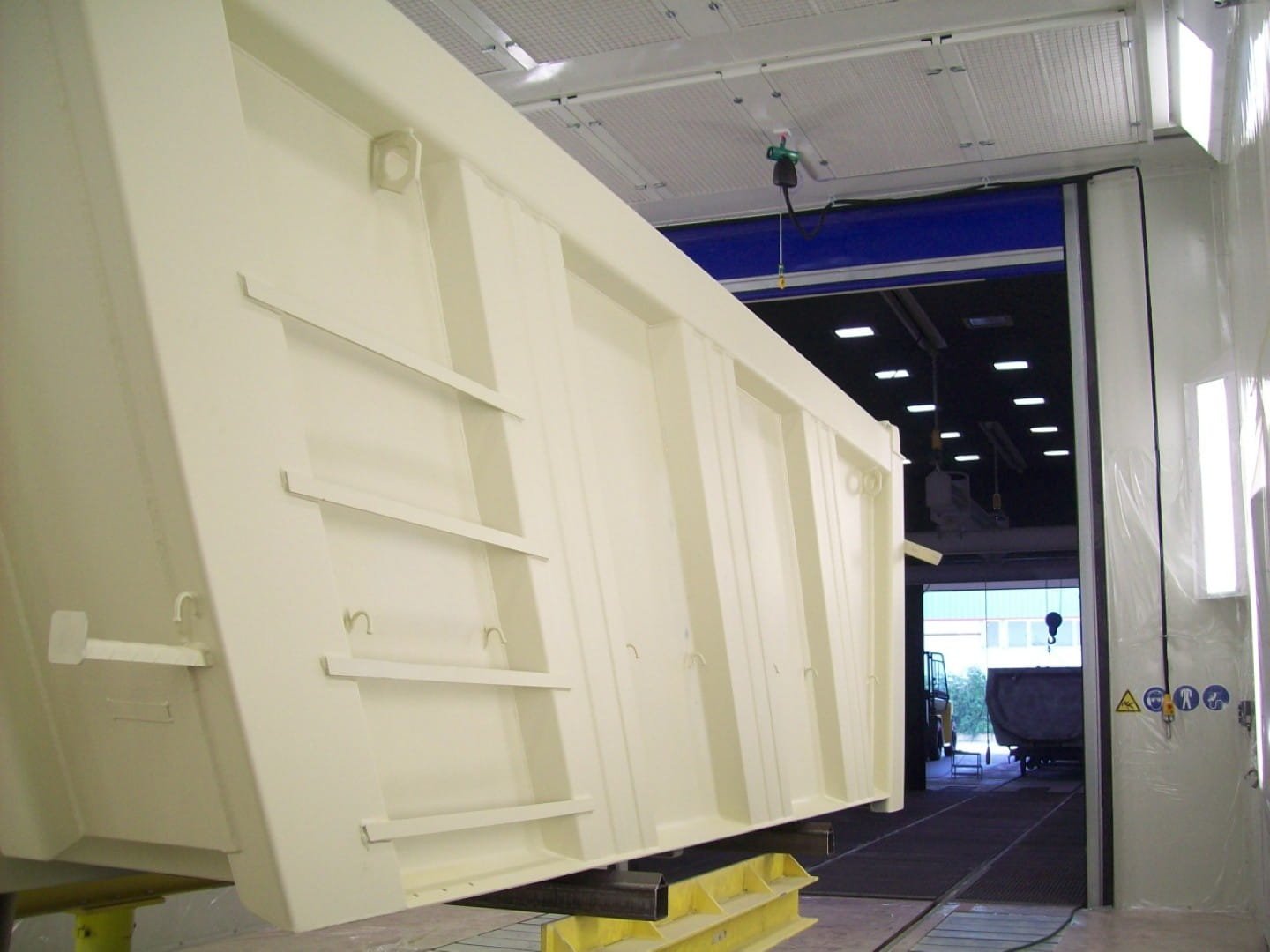
- With it’s proper lighting, ensures consistent color and gloss, reduces surface defects,
- Transforms quality control into a measurable process,
- Prevents solvent dispersion throughout the workplace ensuring occupational health and safety,
- Maintains overall workplace cleanliness,
- Painting quality significantly influences customer perception of the product,
- Provides a strong advantage in branding and export markets, increasing competitiveness.
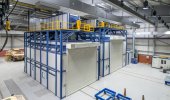
What is a Combi Spray Booth?
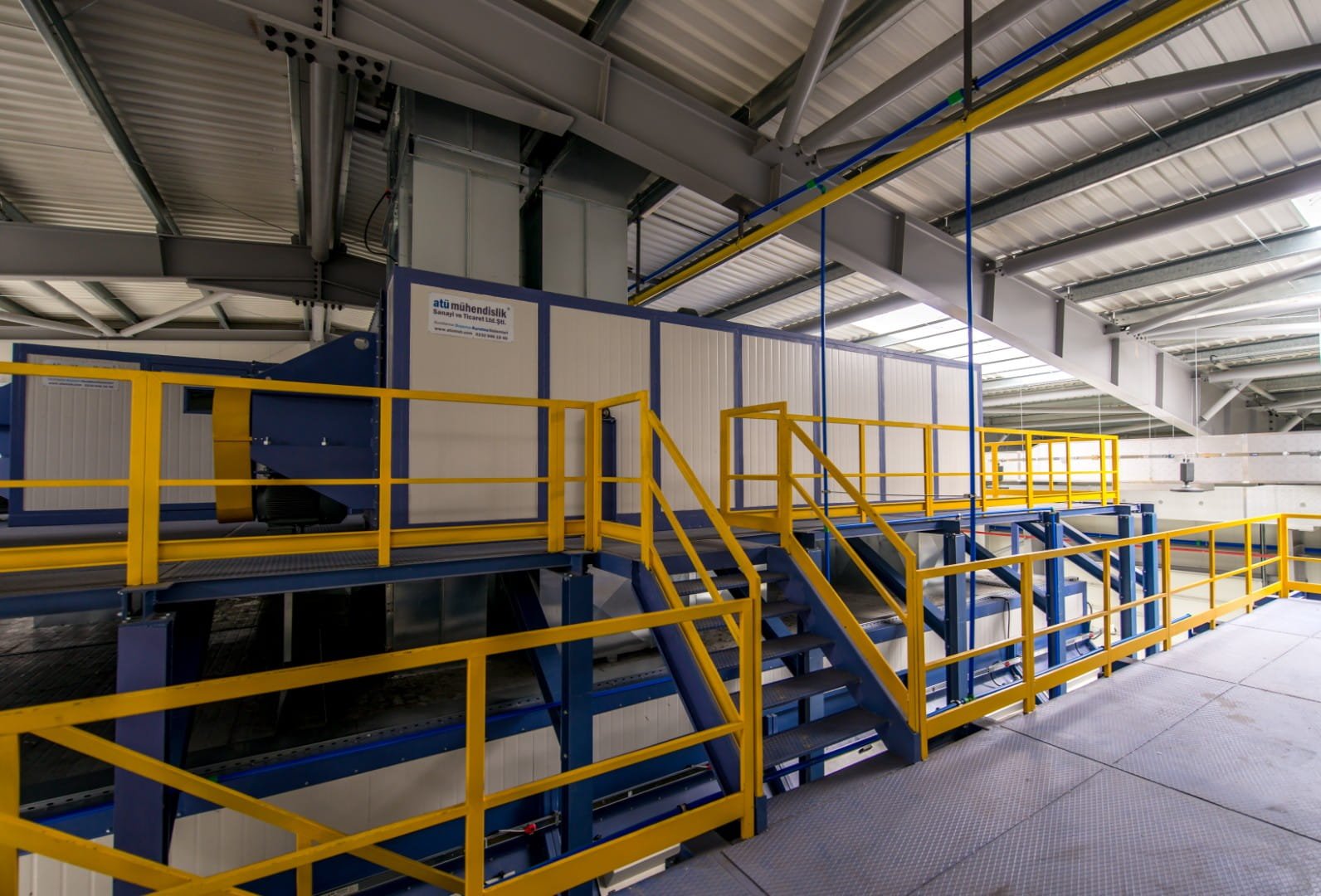
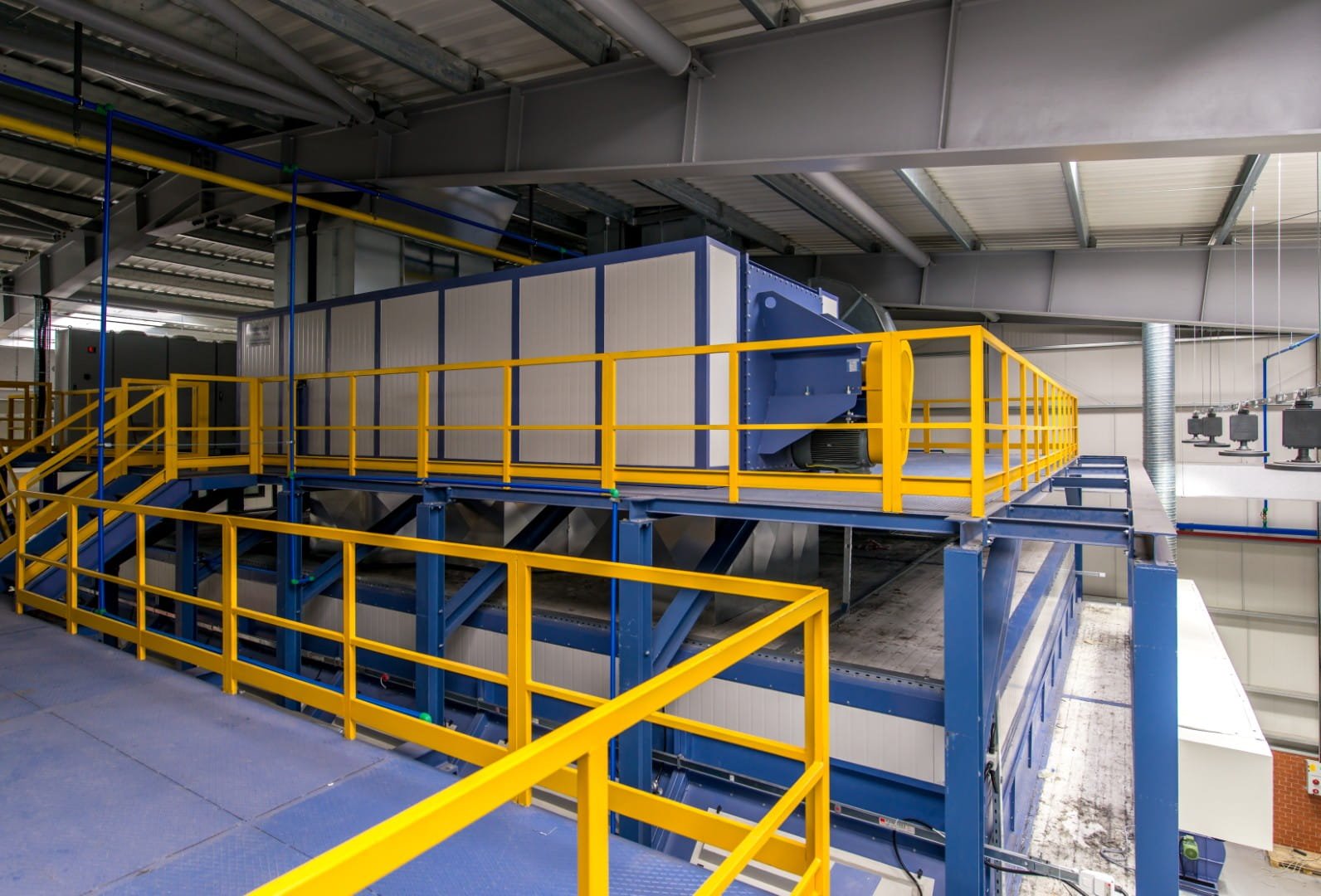
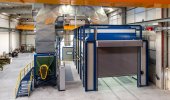
Combi Spray Booths are integrated systems capable of performing multiple processes within a single structure. They can operate in three different modes depending on requirements:
- Painting mode: for standard manual paint application,
- Flash-off mode: waiting period for solvent evaporation stabilization,
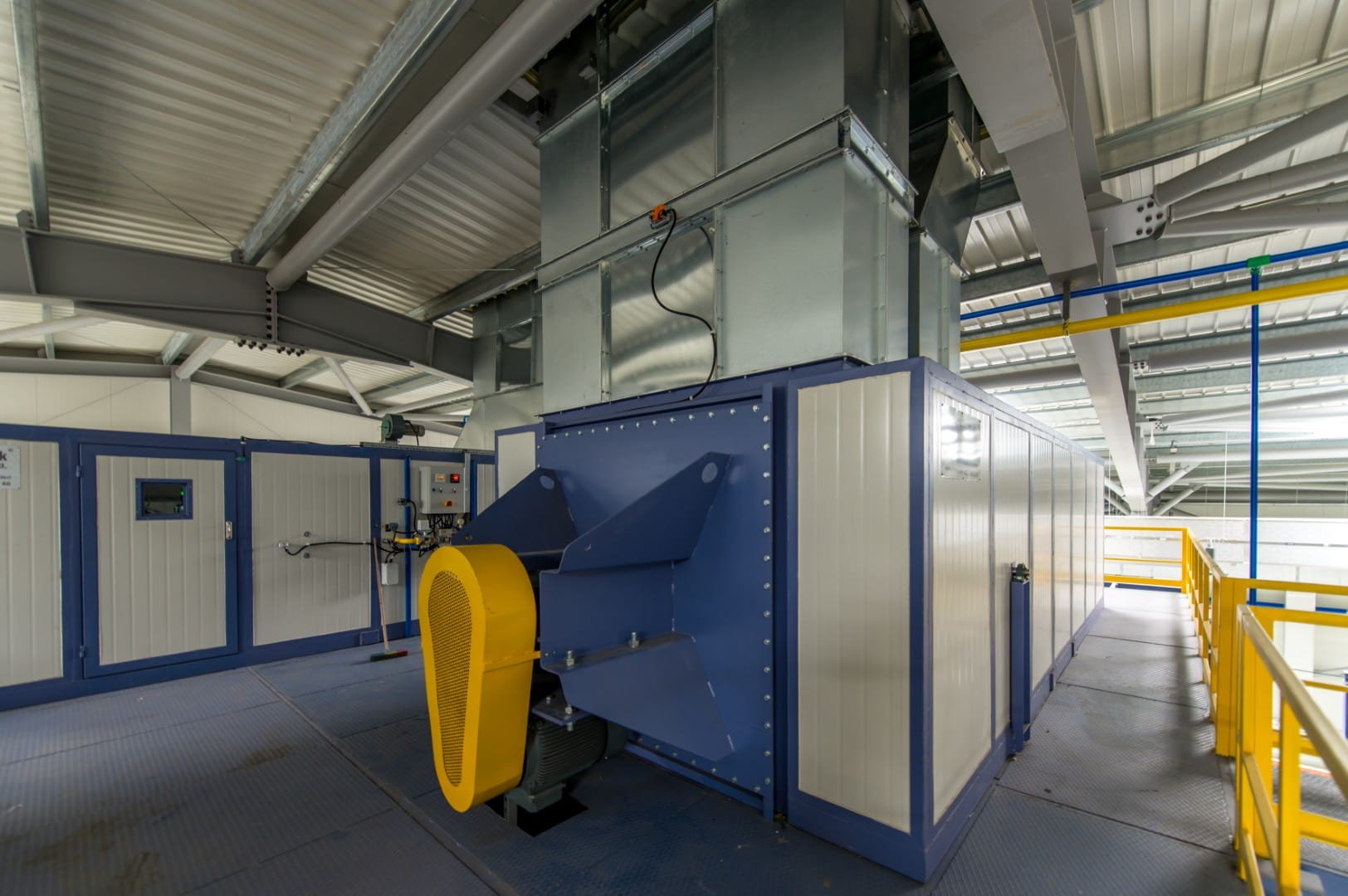
- Drying/oven mode: controlled curing with heated and circulated air.
When is it Preferred?
- When production volume is medium scale,
- When part dimensions vary,
- When space is limited,
- When fast stock turnover or delivery is required (separate line systems may be more advantageous in high-volume serial production).
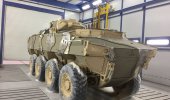
These systems are widely used in the automotive, heavy vehicle, machinery manufacturing, defense, and metal construction industries.
- Reduces investment costs,
- Provides space savings with a single structure,
- Enables a more compact facility layout,
- Reduces construction, installation, and infrastructure costs,
- Saves time as parts do not need relocation,
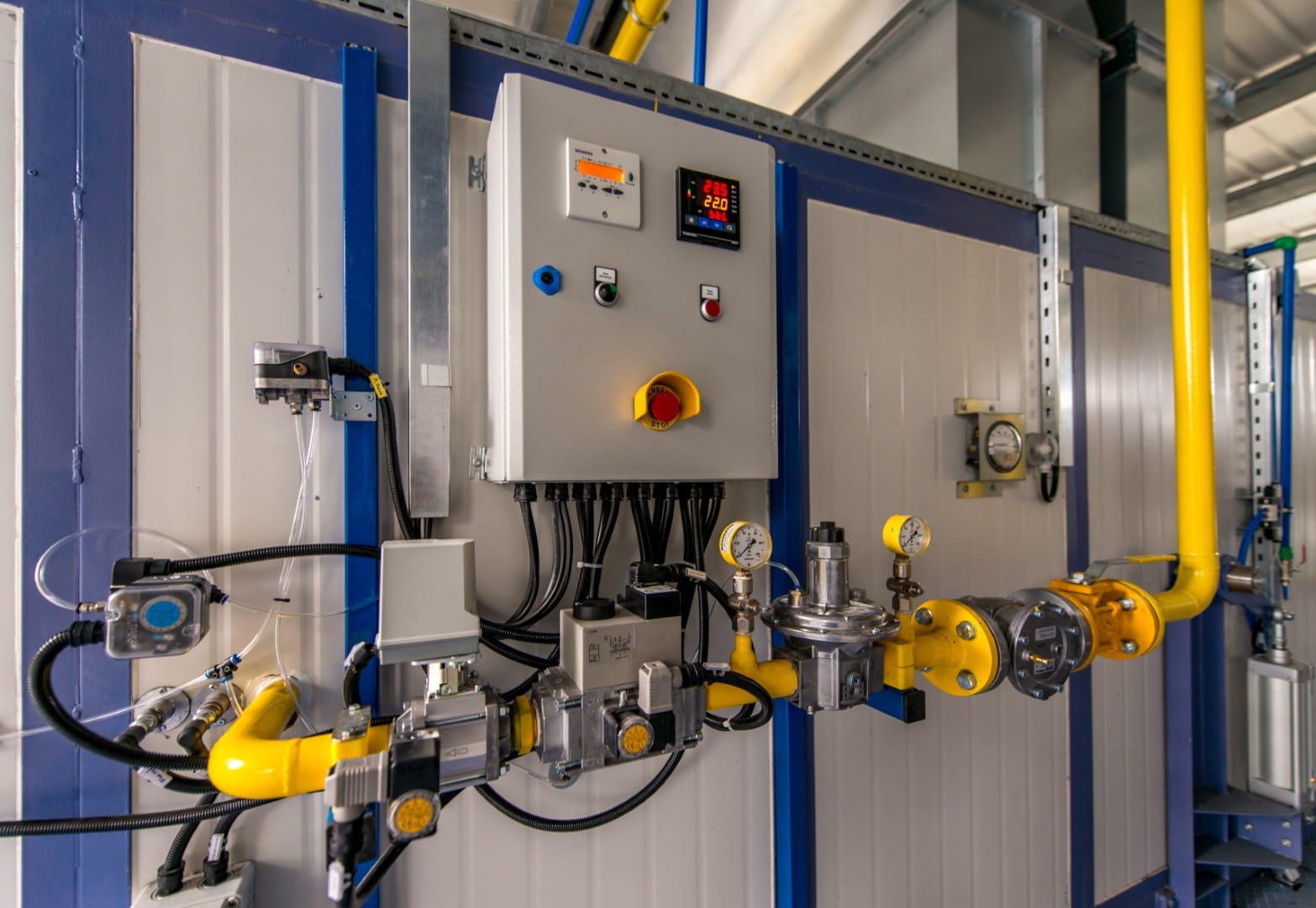
- Reduces fuel consumption with heat recovery systems and controlled air circulation,
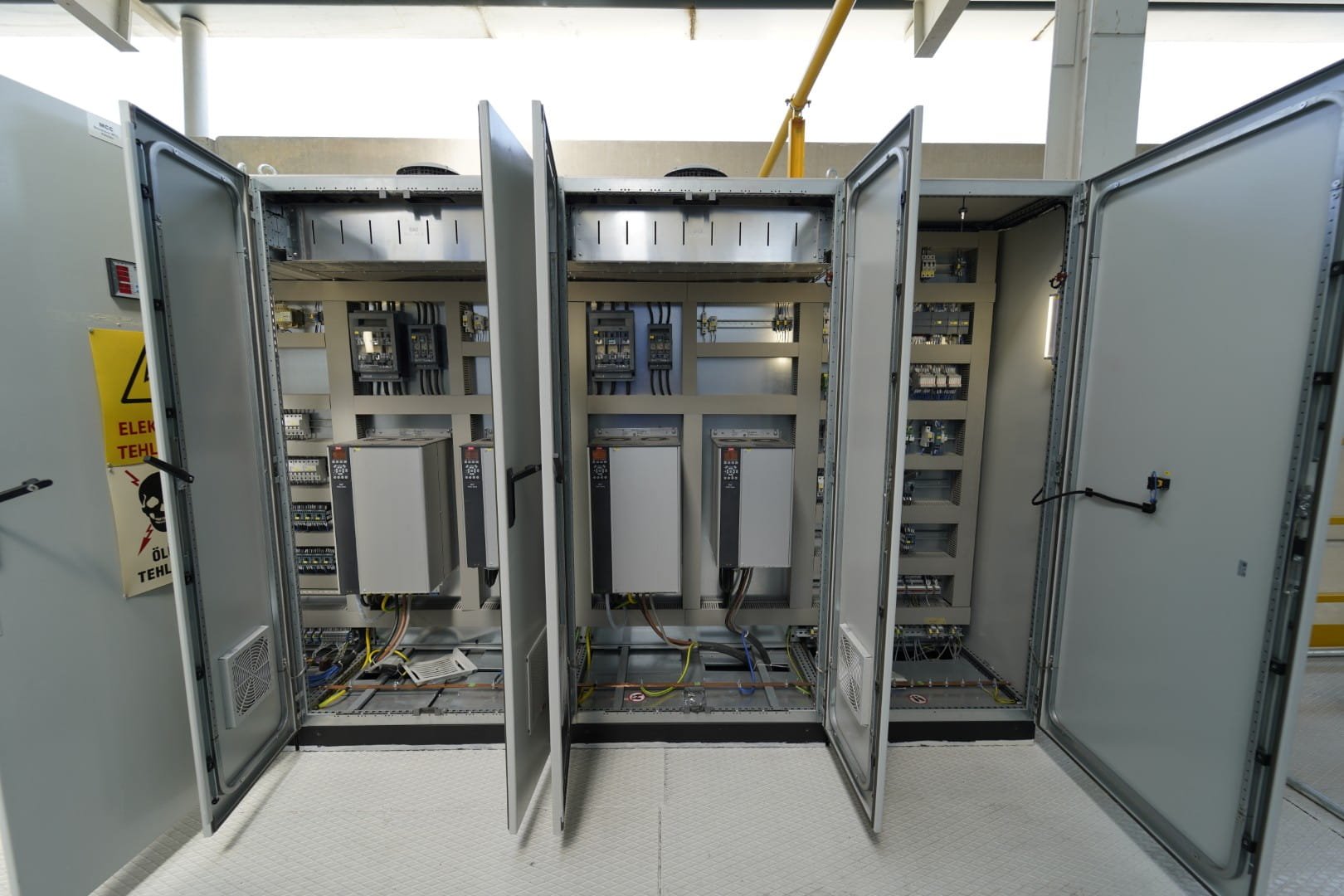
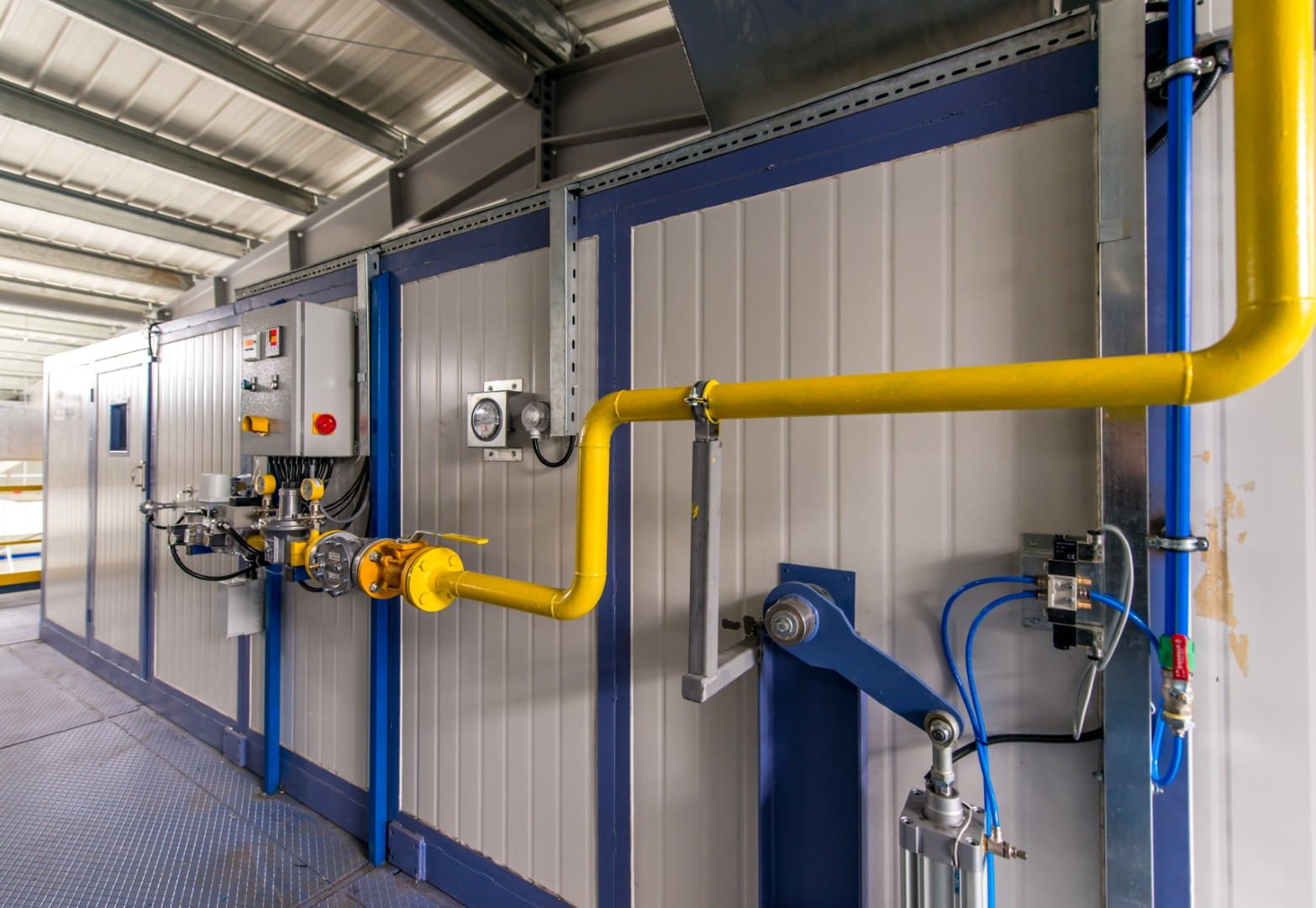
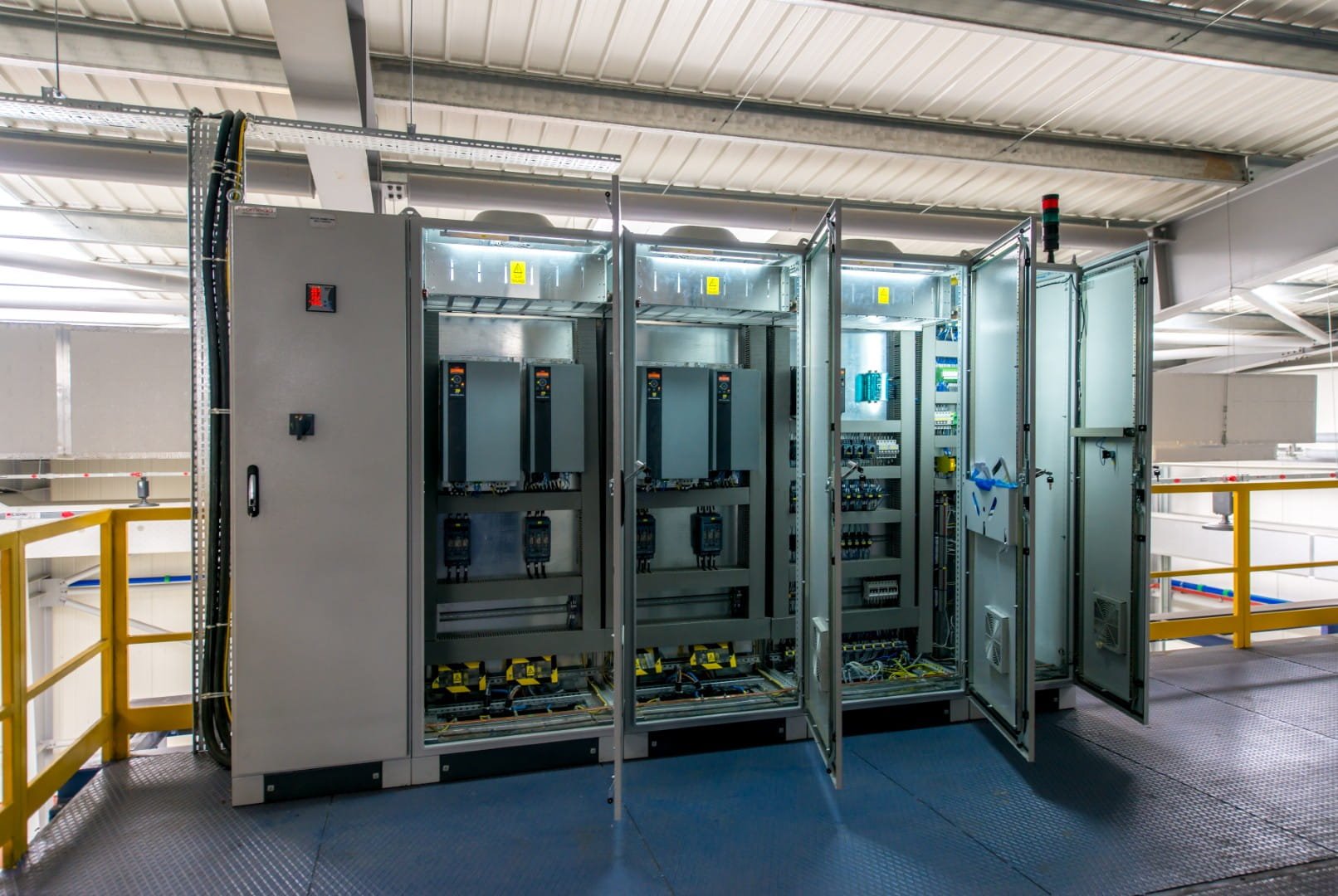
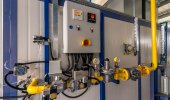
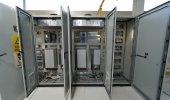
- Single PLC control minimizes operator errors.